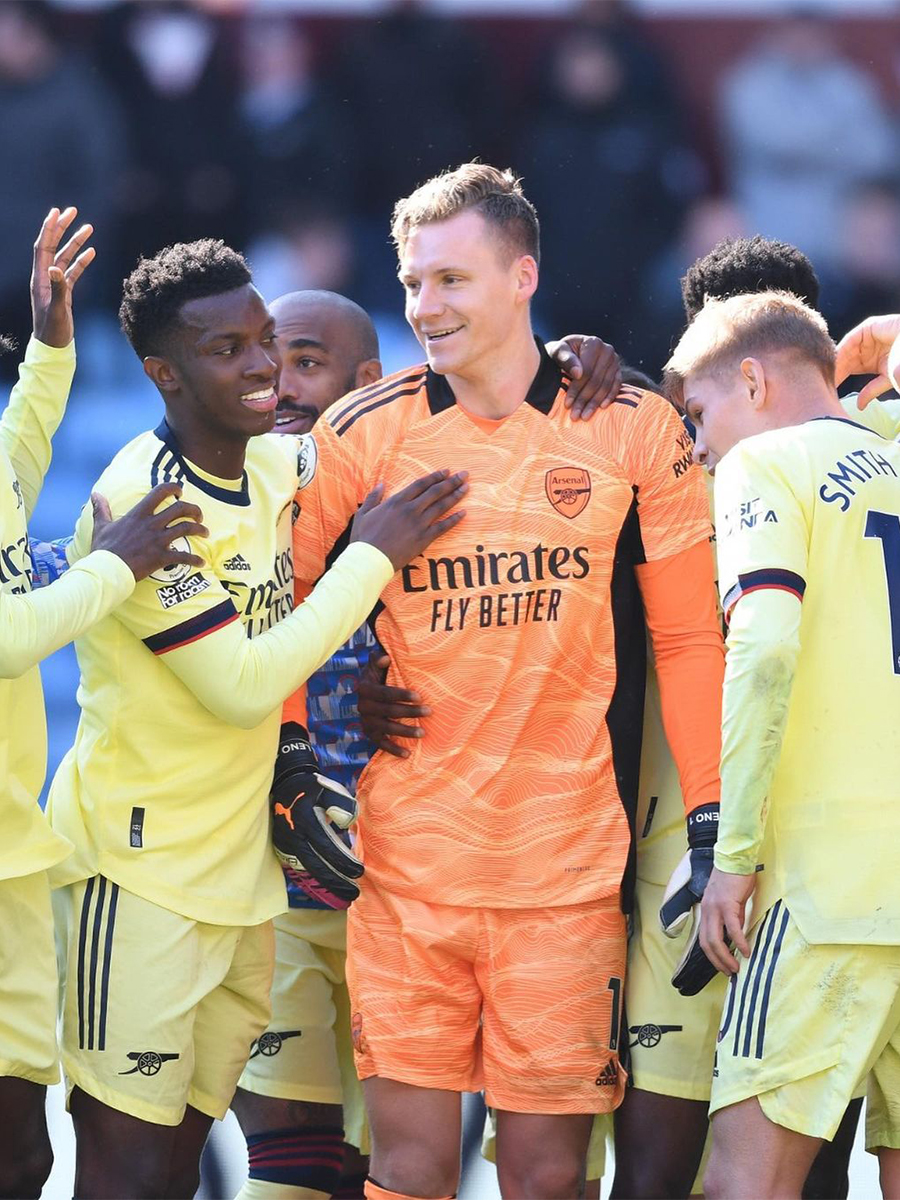
Turn on your television on a Saturday morning in Kingston, or Montego Bay, or Mandeville, and you’ll see the same thing in every bar, every barbershop, every living room with a screen. The Premier League. Not La Liga. Not Serie A. Not the Bundesliga. The English Premier League, broadcasting its drama into every corner of the globe with a reach that no other domestic football league comes close to matching.
In Jamaica, the EPL isn’t just popular. It’s embedded. Arsenal and Manchester United jerseys outnumber Reggae Boyz shirts on the street. Children grow up knowing the Premier League table before they learn parish capitals. The league’s grip on the Jamaican sports consciousness — and indeed the global sports consciousness — is so total that it feels permanent.
But nothing in football is permanent. And for the first time in the EPL’s modern era, there are genuine threats to its throne. The question is whether any of them are serious enough to topple it.
The Revenue Machine
Understanding the EPL’s dominance starts with understanding its economics. The league’s broadcasting deals are staggering — generating billions in domestic and international television revenue that dwarfs what any other league can command. This revenue flows down to clubs in a relatively equitable distribution model, which means even the league’s smaller clubs are wealthy by international standards.
This financial structure creates a self-reinforcing cycle. More money attracts better players. Better players create more compelling football. More compelling football drives higher viewership. Higher viewership commands larger broadcasting deals. And the cycle continues.
The genius of the Premier League model is that it monetised unpredictability. In Spain, two or three clubs dominate. In Germany, one club has won the league almost every year for over a decade. In France, the story is similar. But in England, any team can beat any other team on any given weekend. That competitive balance — whether real or perceived — is the product the EPL sells, and the global market is buying.
Threat #1: The Saudi Pro League
When Saudi Arabia began pouring sovereign wealth into its domestic football league, the initial reaction from the EPL establishment was dismissive. A vanity project. A retirement league. A flash in the pan.
That dismissal was premature. The Saudi Pro League has demonstrated a willingness to spend at levels that even the wealthiest Premier League clubs cannot match, backed by state resources that are effectively limitless. The league has attracted marquee names and shows no signs of slowing down its investment.
But does Saudi money genuinely threaten the EPL? The answer is nuanced. The Saudi league can outbid individual clubs for individual players. It can offer tax-free salaries that make a Premier League contract look modest by comparison. What it cannot yet offer is the competitive environment, the global broadcasting audience, or the cultural prestige that the EPL provides.
For now, the Saudi league functions as a talent drain at the margins — primarily attracting players in their late careers or those who prioritise financial reward over competitive legacy. The day it starts attracting 25-year-old players at the peak of their careers, choosing Riyadh over London or Manchester without hesitation — that’s when the EPL should worry. And that day is closer than most people in English football would like to admit.
Threat #2: La Liga’s Quiet Resurgence
Spanish football has spent the last several years in an identity crisis. The Messi-Ronaldo era that made El Clasico the most-watched club football event on earth ended, and La Liga’s global profile dipped noticeably. The league’s broadcasting revenue fell behind the EPL’s, and the gap between Barcelona and Real Madrid and the rest of the league remained a structural weakness.
But write off La Liga at your peril. Spanish football has arguably the deepest coaching culture in the world. Its youth development systems — from La Masia to Villarreal’s academy to the network of smaller clubs that consistently produce technically elite players — remain the gold standard. And the Spanish national team’s continued success at international tournaments demonstrates that the talent pipeline is healthy.
La Liga’s challenge is not quality. It’s distribution. The league needs to solve its competitive balance problem and its broadcasting revenue gap with the EPL. If it does — and there are signs that reforms are underway — it has the football quality to compete for global attention.
Threat #3: MLS and the American Football Project
The most underestimated long-term threat to the EPL’s global dominance might be MLS. Not because MLS is a better league — it isn’t, and won’t be for some time. But because the United States represents the largest untapped football market in the world, and American sports business infrastructure is arguably the most sophisticated on the planet.
When American media companies, sports franchises, and tech platforms fully commit to growing domestic football — and they are committing, steadily and strategically — the implications for the global football economy are profound. American clubs have already begun building academies, signing younger international talent, and investing in the kind of content production and digital engagement that the EPL currently leads.
The EPL’s advantage in America has always been that it filled a void. Americans who wanted high-quality club football watched the Premier League because there was no compelling domestic alternative. As MLS improves — and it is improving, year by year — that advantage erodes. It won’t happen overnight. But the trajectory is clear.
Threat #4: The Broadcasting Bubble
Here’s the threat that the EPL would prefer you didn’t think about too carefully. The league’s entire economic model depends on broadcasting revenue growing — or at least maintaining — with each new cycle. But the media landscape is fragmenting. Traditional television viewership is declining globally. Streaming platforms are competing aggressively for sports rights, but their willingness to pay the premiums that linear broadcasters have historically paid is not guaranteed.
The next EPL broadcasting cycle will be a critical test. If revenue plateaus — or worse, declines — the economic engine that powers the league’s dominance will sputter. Clubs that have built their financial models on the assumption of ever-increasing broadcast income will face painful adjustments. And the competitive balance that makes the EPL unique will be threatened as wealthier clubs pull further ahead of those more dependent on shared television revenue.
This is not a distant hypothetical. The broadcasting market is shifting now. And the EPL’s position, while strong, is not immune to the same forces disrupting media economics everywhere else.
What Keeps the EPL on Top
Despite all of these threats, the EPL retains advantages that are extraordinarily difficult to replicate.
Cultural infrastructure. English football stadiums, traditions, and fan culture provide an atmosphere and authenticity that newer leagues simply cannot manufacture. You can build a state-of-the-art stadium in Riyadh. You cannot build Anfield’s history or Old Trafford’s aura.
Time zone advantage. The EPL plays at times that are accessible to audiences in Europe, Africa, Asia, and the Americas. This is a geographical accident, but it’s a significant competitive advantage in a global broadcasting market. Jamaican fans can watch live matches at reasonable hours — not so with most Asian league fixtures.
The English language. The global dominance of English as a media language gives the EPL a natural advantage in content production, social media engagement, and cultural penetration. Players, managers, and pundits communicate in the world’s most widely spoken second language.
Competitive unpredictability. This remains the EPL’s killer feature. In a given season, the league champion might be decided on the final day. Relegation battles are dramatic. Mid-table clubs can beat title contenders on any given weekend. This manufactured chaos is addictive viewing, and no other major league produces it as consistently.
The Verdict from Yard
Here in Jamaica, the EPL’s dominance feels unshakeable. It’s woven into our sporting culture in a way that goes beyond mere preference — it’s tribal. Families are divided by club allegiances that are passed down through generations. The idea that Jamaicans might one day stop watching the Premier League feels absurd.
But dominance is not destiny. The EPL sits on a throne built on broadcasting revenue, competitive balance, and cultural prestige. All three are under pressure from forces that are real, measurable, and accelerating. The league is still king. But kings who assume they’ll reign forever tend to be the ones who lose their crowns.
The smartest thing the EPL can do is behave as if the threats are real — because they are. And the next five years will determine whether the Premier League adapts and extends its reign, or whether it becomes the latest chapter in football’s long history of empires that believed they were too big to fall.