Author: Lastarda Lee

  • Jamaican Football Is Still in Trouble — And Here’s Why

    Jamaican Football Is Still in Trouble — And Here’s Why

    Five years ago, we published an article with a simple title: Football Is Still in Trouble. At the time, the European Super League fiasco dominated the headlines, and we used that moment to reflect on the deeper structural issues plaguing football — not just in Europe, but right here in Jamaica. Half a decade later, we find ourselves asking the same question. And the answer hasn’t changed nearly enough.

    The JFF Question

    The Jamaica Football Federation has been at the centre of every conversation about what’s wrong with the sport on the island. And for good reason. The governance structure remains opaque, the accountability mechanisms are weak, and the gap between what the federation promises and what it delivers continues to widen.

    We’ve heard the talking points. More qualified coaches. Better pathways. Stronger partnerships. And to be fair, there has been some movement — the appointment of a Director of Football was a step in the right direction. But steps aren’t enough when the staircase is crumbling.

    The interview above with the JFF’s Director of Football paints a picture of progress — hundreds of newly qualified coaches across the island. That sounds impressive on paper. But the real question isn’t how many coaches have certificates. It’s whether those coaches have fields to train on, equipment to work with, and players who can afford to show up consistently.

    The Talent Pipeline Is Leaking

    Jamaica doesn’t have a talent problem. We never have. Walk into any school yard in Kingston, Montego Bay, or Spanish Town and you’ll see kids with more natural ability in their left foot than some academy graduates in Europe have in their entire body. The problem has always been what happens after the school yard.

    The pathway from schoolboy football to the Jamaica Premier League is riddled with potholes. Coaching inconsistency, inadequate facilities, and the simple economic reality that most young Jamaicans can’t afford to play football professionally when the wages don’t cover basic living expenses. The brightest talents either leave too early — before they’re ready for the demands of professional football abroad — or they leave football entirely, chasing more stable careers.

    And then there’s the dual-national question. The Reggae Boyz have increasingly relied on players born and raised abroad — in England, the United States, Canada — to fill the gaps in the squad. That’s not inherently a bad thing. Every Caribbean nation does it. But when your national team’s spine is built on players who grew up in a completely different football culture, you have to ask: what does that say about the system at home?

    The Women’s Game: Still an Afterthought

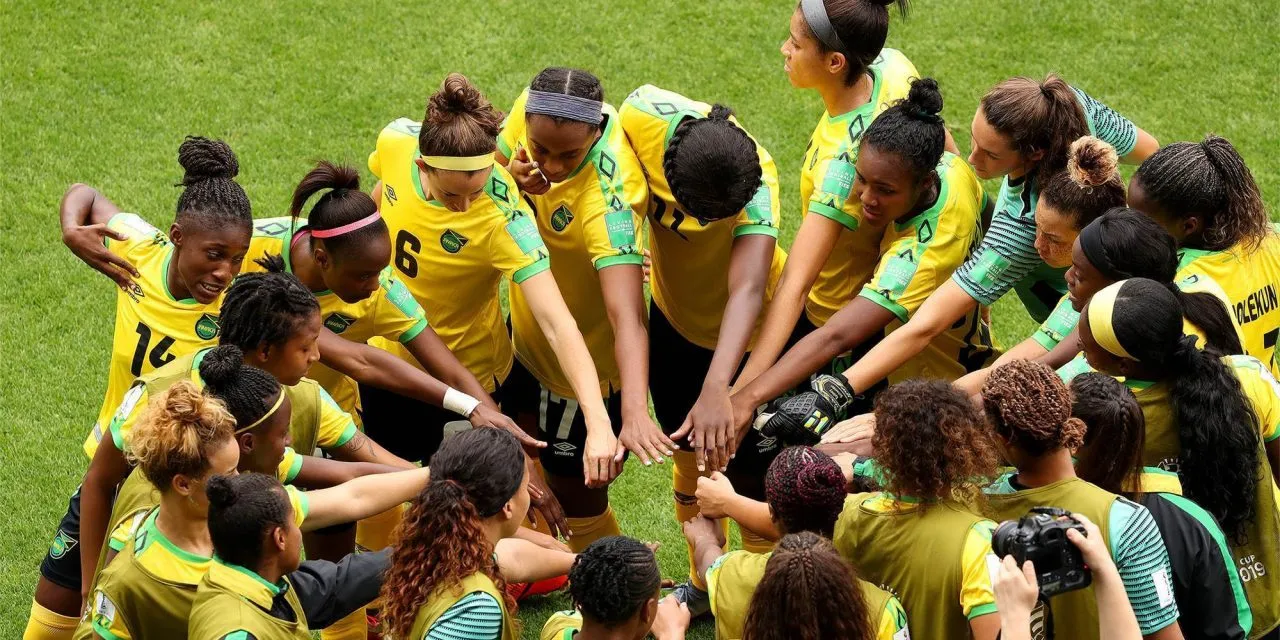
    Perhaps the most damning indictment of Jamaican football’s leadership is the treatment of the Reggae Girlz. Here is a programme that has produced a generational talent in Khadija Shaw — arguably the most prolific striker in women’s football worldwide — and has qualified for the FIFA Women’s World Cup. And yet, the support structure remains embarrassingly inadequate.

    The men’s programme receives the lion’s share of funding, attention, and institutional support. The women’s programme gets what’s left over, if anything at all. This isn’t just a moral failing. It’s a strategic one. The Reggae Girlz have proven they can compete on the world stage. Investing in them isn’t charity — it’s common sense.

    What Needs to Change

    We’ve been writing variations of this article for years now, and the solutions haven’t changed because the problems haven’t changed:

    Governance reform. The JFF needs genuine accountability — independent audits, transparent budgets, and term limits for officials who have been in their positions for far too long.

    Investment in infrastructure. You cannot develop footballers without proper facilities. Full stop. Every parish should have at least one facility that meets basic professional standards — a proper pitch, floodlights, changing rooms. This isn’t luxury. This is baseline.

    A living wage for JPL players. If you want the domestic league to be a genuine development pathway rather than a holding pen, players need to be able to survive on what they earn. The current wage structure is an insult to the profession.

    Parity for the women’s programme. Equal funding may not be realistic immediately, but a clear roadmap toward it — with measurable benchmarks and public reporting — would be a start.

    Youth development that starts earlier and lasts longer. The schoolboy system produces excitement but not necessarily professional-ready players. Structured academy programmes that bridge the gap between school and senior football are essential.

    The Bottom Line

    Jamaican football has all the raw ingredients — talent, passion, diaspora connections, and a fanbase that is desperate to believe. What it lacks is the institutional framework to turn those ingredients into consistent, sustainable success.

    Five years from now, we don’t want to be writing this article again. But unless the people in charge of Jamaican football start treating it like the multi-generational project it is — rather than a series of short-term fixes and photo opportunities — that’s exactly what will happen.

    Football on this island deserves better. The players deserve better. The fans deserve better. The question is whether the people with the power to change things actually want to.

    We’re watching. And we’re tired of waiting.

  • The Rebirth of Jamaican Male Sprinting Is Here

    The Rebirth of Jamaican Male Sprinting Is Here

    For years, the question hung over Jamaican track and field like a storm cloud: what happens after Usain Bolt? The greatest sprinter in human history retired, and the men’s sprint programme seemed to stumble into an identity crisis. The times got slower. The medals got scarcer. The doubters got louder.

    But something has shifted. And if you’ve been paying attention — really paying attention — you know the rebirth isn’t coming. It’s already here.

    The New Generation Has Arrived

    The evidence has been building for two seasons now. Oblique Seville running sub-10 with a consistency that suggests his ceiling is still well above him. Kishane Thompson emerging as a legitimate world-class talent with the kind of raw power that reminds you — just a little — of a young Bolt uncoiling out of the blocks.

    Watch that Jamaica Trials recap above and tell me this isn’t a programme on the rise. The depth is back. The hunger is visible. Multiple Jamaican men are running times that would have won medals at recent global championships.

    This isn’t just about one or two individuals carrying the flag. This is about depth — the kind of depth that made Jamaica’s relay teams untouchable for a decade. When your fourth or fifth-fastest sprinter would be the national record holder in most countries, you know you’re building something real.

    The Post-Bolt Hangover Is Over

    Let’s be honest about what happened after 2017. Bolt retired, and Jamaica’s men’s sprint programme went through a necessary but painful transition. Yohan Blake was still competing but no longer the force he once was. The next generation wasn’t quite ready. And the world moved on — Americans, Europeans, and Africans all closed the gap that Bolt had made look like a canyon.

    But transitions end. And Jamaica’s sprint culture — the thing that separates this island from every other nation on earth when it comes to producing fast humans — never went away. It was always there, in the Champs pipeline, in the training groups at UTech and the University of the West Indies, in the coaching philosophies passed down from Glen Mills and Stephen Francis to a new generation of coaches.

    What we’re seeing now is the harvest of seeds planted during the lean years. Athletes who were teenagers when Bolt retired are now hitting their prime. And they’re not just fast — they’re hungry in a way that the Bolt generation, blessed with a generational talent who made everything look effortless, perhaps couldn’t be.

    The Hurdles Are Part of It

    The sprinting rebirth extends beyond the flat events. Jamaica’s sprint hurdle tradition has been quietly building into something extraordinary. The 110m hurdles has become one of Jamaica’s strongest events globally, with multiple athletes capable of challenging for major championship medals.

    This matters because it shows the breadth of the talent pool. It’s not just one lane, one event, one athlete. It’s a full programme producing world-class athletes across the sprint spectrum — 100m, 200m, 400m, and hurdles. That’s the sign of a system that works, not just individual brilliance.

    The Women Never Left

    It’s worth noting that while the men’s programme went through its transition, the women’s side never dipped. Shelly-Ann Fraser-Pryce, Elaine Thompson-Herah, and Shericka Jackson formed perhaps the greatest trio in the history of women’s sprinting. Their dominance kept Jamaica’s sprint reputation alive when the men were rebuilding.

    Now, with a new generation of women emerging from the same Champs pipeline, Jamaica is positioned to dominate both sides of the sprint programme simultaneously. That hasn’t happened since the golden era of 2008-2017, and it’s a prospect that should terrify every other sprinting nation on the planet.

    What Could Go Wrong

    Before we get too carried away, the cautionary notes matter. Jamaican sprinting has always been vulnerable to two things: injury and emigration. Young athletes leaving for American college programmes isn’t new, but the scholarship pipeline can sometimes prioritise the NCAA’s needs over Jamaica’s national team calendar. And the physical demands of sprinting at the highest level mean that promising careers can be derailed by a single hamstring tear.

    The other risk is complacency. Jamaica has been the best sprinting nation in history, and that legacy can breed an assumption that greatness is automatic. It isn’t. Every generation has to earn it, and the competition — from the United States, Botswana, Kenya, and beyond — has never been fiercer.

    The Verdict

    The rebirth is real. It’s not a hope or a projection. It’s happening on tracks around the world, in times that are getting faster, in relay squads that are getting deeper, in a generation of young Jamaicans who saw what Bolt did and decided they wanted to do it too.

    The question is no longer if Jamaican men’s sprinting will come back. It’s how high this new wave will reach. And if the early signs are anything to go by, the answer is: very, very high indeed.

  • West Indies Cricket: Still Falling, No Floor in Sight

    West Indies Cricket: Still Falling, No Floor in Sight

    In late 2021, we published a piece with a definitive title: The WI T20 Dynasty IS Over. At the time, it felt like a bold statement. West Indies had won back-to-back T20 World Cups in 2012 and 2016, and the cricketing world still associated the Caribbean with explosive, fearless short-format cricket. Surely, we were being premature.

    We weren’t. If anything, we were being generous.

    The Decline in Numbers

    West Indies cricket has fallen across every format and every measurable metric. The ICC rankings tell a story that no amount of press conferences or strategic plans can obscure: this is a cricketing nation in freefall. In Test cricket, the West Indies are barely competitive against the top sides. In ODIs, they’ve struggled to qualify consistently for major tournaments. And in T20Is — the format they were supposed to own — the results have been deeply disappointing.

    The generation that won those World Cups is gone or ageing out. And the pipeline behind them has produced flickers of talent but nothing approaching the sustained excellence that characterised West Indian cricket at its best.

    The Governance Problem

    Cricket West Indies (CWI) has presided over this decline with a mixture of bureaucratic inertia and public optimism that borders on delusion. Board meetings produce announcements. Announcements produce nothing. The same structural issues that have been identified by every commission, every report, every former player who dared to speak up remain unaddressed.

    The relationship between the regional board and the territorial boards continues to be dysfunctional. Funding is inconsistent. Communication between the national team setup and the domestic structure is poor. And the people in charge seem more interested in maintaining their positions than in the radical reform that the situation demands.

    This is the fundamental problem. West Indian cricket doesn’t need tweaks. It needs a revolution. And revolutions don’t come from the people who benefit from the status quo.

    The CPL Paradox

    The Caribbean Premier League was supposed to be the answer — or at least part of it. A franchise T20 league that would bring money, exposure, and development opportunities to the region. And in some ways, it has delivered. The CPL has produced memorable cricket, attracted international stars, and given young Caribbean cricketers a platform to showcase their skills.

    But there’s a darker side to the equation. The CPL has also created a generation of players who are optimised for franchise cricket rather than international cricket. The skills that make you valuable in a T20 franchise — power hitting, death bowling, fielding athleticism — are not the same skills that win you a Test series in Australia or an ODI World Cup. The CPL hasn’t replaced the first-class cricket system as a development pathway, but it has certainly undermined it.

    When your best players would rather play franchise cricket around the world for better pay and less physical toll than represent the West Indies in a Test series, you have a values problem as much as a structural one.

    Jamaica’s Role

    In Jamaica specifically, cricket’s decline mirrors the regional trend but with its own particular flavour. The sport is losing ground to football, track and field, and even basketball in the competition for young athletic talent. School cricket programmes have shrunk. Facilities have deteriorated. The Jamaica Tallawahs’ CPL campaigns, while occasionally entertaining, haven’t translated into a deeper cricket culture on the island.

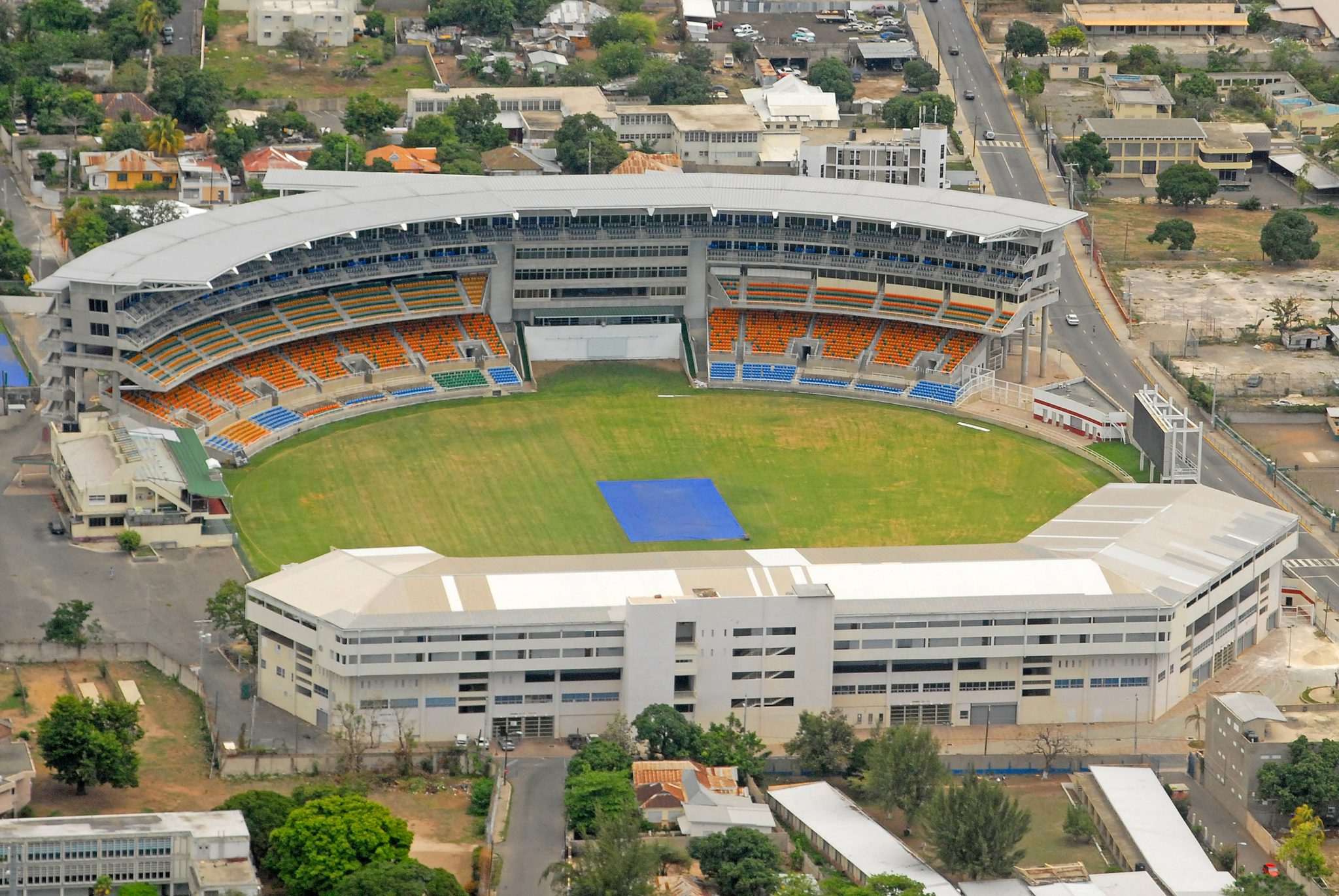
    Sabina Park — once one of the most feared grounds in world cricket — still hosts international matches, but the atmosphere is a shadow of what it was in the Ambrose and Walsh era. The stands are often sparse. The energy is muted. The connection between the Jamaican public and West Indian cricket has frayed to the point where many young Jamaicans couldn’t name a single current player.

    Is There a Way Back?

    The honest answer is: not without pain, and not quickly. The problems facing West Indian cricket are so deeply embedded in the sport’s governance, economics, and culture that no single initiative or appointment will fix them.

    What would help? A complete overhaul of CWI’s governance structure — one that brings in professional administrators with experience in sports management, not just former players and political appointees. A serious investment in grassroots cricket across all territories, with proper funding for school and club programmes. A renegotiation of the relationship between franchise cricket and the national team, ensuring that representing the West Indies is seen as the highest honour, not an inconvenience that disrupts your T20 league schedule.

    And most importantly, honesty. The West Indies cricketing public deserves to be told the truth about where their sport is, why it got there, and how long the recovery will take. The era of pretending that everything is fine while the results get worse and the stands get emptier needs to end.

    The Stakes

    Cricket isn’t just a sport in the Caribbean. It’s woven into the cultural identity of the region in a way that few outsiders fully appreciate. The decline of West Indian cricket is a cultural loss, not just a sporting one. And if the current trajectory continues unchecked, there’s a real possibility that within a generation, cricket will be a marginal sport in the Caribbean — watched on television when international stars come to play the CPL, but no longer part of the lived experience of young people in Jamaica, Trinidad, Barbados, and the rest.

    That would be a tragedy. And it doesn’t have to happen. But preventing it requires the kind of courage, vision, and sacrifice that Caribbean cricket’s current leadership has shown no evidence of possessing.

    We’re still falling. And nobody’s built a floor yet.

  • The Sunshine Girls Deserve a Professional League

    The Sunshine Girls Deserve a Professional League

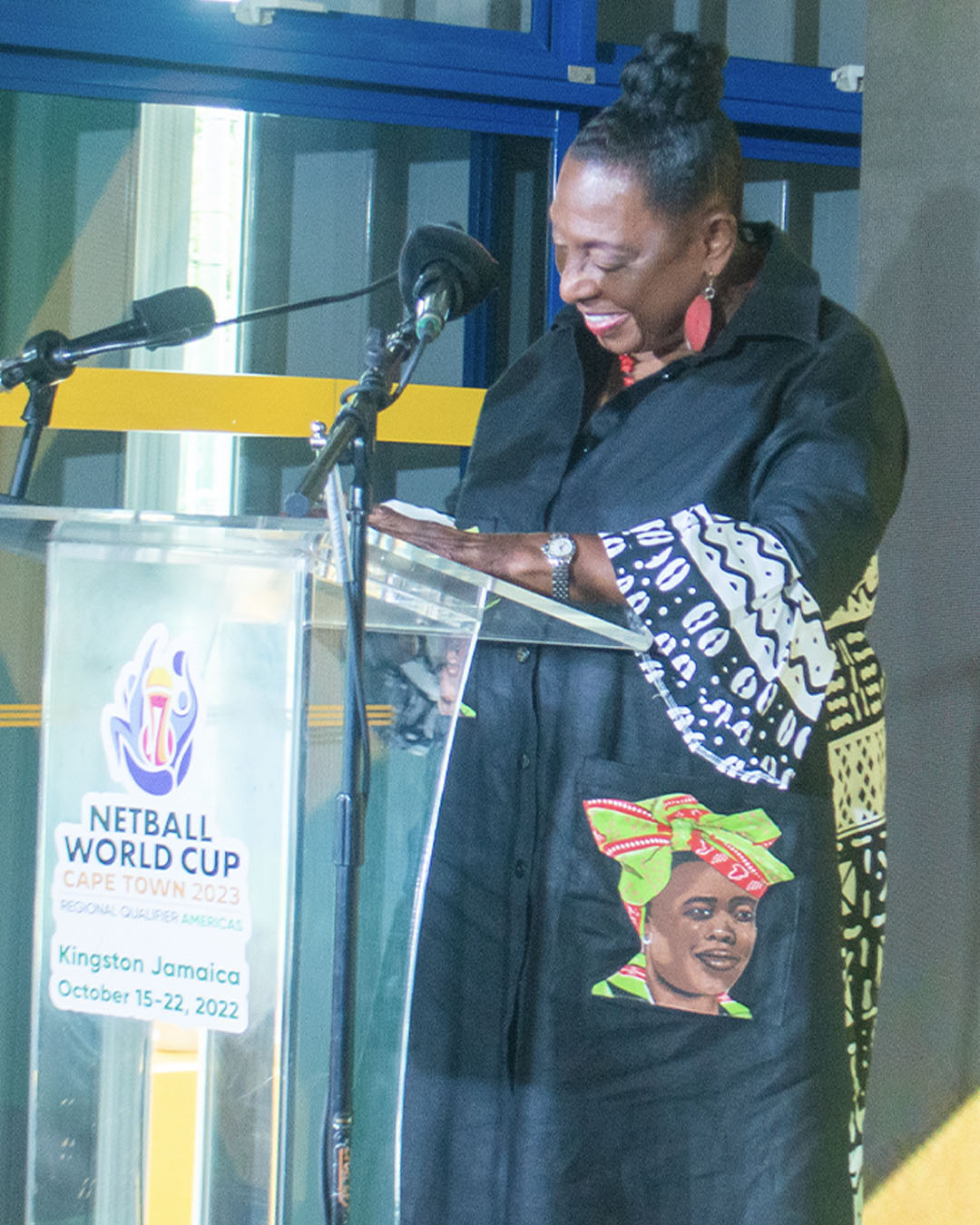
    Jamaica’s Sunshine Girls are, by any objective measure, one of the most successful national sports teams on the island. Consistently ranked among the top five in world netball, they have produced athletes who compete at the highest levels of the professional game internationally. Their performances at the Netball World Cup have made the nation proud time and again.

    And yet, domestically, netball in Jamaica remains amateur. There is no professional league. No structured franchise system. No broadcast deal that gives the sport consistent visibility outside of World Cup cycles. In a country that produces world-class netball talent as reliably as it produces world-class sprinters, the absence of a professional domestic league isn’t just an oversight — it’s an indictment.

    The Case for a Professional League

    The arguments in favour are overwhelming. First, the talent pool exists. Jamaica doesn’t need to develop netball players from scratch — they’re already being produced by schools, clubs, and the national programme. What’s missing is a professional environment where those players can develop further, earn a living, and stay connected to Jamaican netball rather than being exported to leagues in Australia, England, and New Zealand.

    Second, the international proof of concept exists. Australia’s Super Netball league has demonstrated that professional netball can attract sponsors, broadcast deals, and crowds. England’s Superleague, while smaller, has grown steadily. These leagues didn’t emerge from markets with more talent than Jamaica. They emerged from markets with more institutional ambition.

    Third, the cultural readiness is there. Netball is deeply embedded in Jamaican school and community life. It’s one of the few sports where female athletes receive genuine national attention and pride. The audience exists — it just needs something to watch regularly, not just every four years when the World Cup comes around.

    Why It Hasn’t Happened

    The barriers are real but not insurmountable. Funding is the most obvious challenge. A professional league requires investment in venues, broadcast infrastructure, player salaries, and administration. Jamaica’s sports funding ecosystem is heavily skewed toward football and track and field, and netball has historically been left to fight for scraps.

    Corporate sponsorship is another gap. Jamaican businesses sponsor cricket (through the CPL), football (through the JPL), and various track meets. But netball hasn’t been able to attract the same level of corporate interest, partly because of a chicken-and-egg problem: sponsors want visibility, but visibility requires a professional product, which requires sponsors.

    And then there’s the governance question. Netball Jamaica has done admirable work with limited resources, but building a professional league requires a different set of capabilities — commercial negotiation, broadcast rights management, franchise development — that go beyond traditional sports administration.

    What a Jamaican Netball League Could Look Like

    It doesn’t have to start as a full franchise operation. A semi-professional league with six to eight teams, based in existing community facilities, with a short but intense season could be a viable first step. Think of it as proof of concept — a way to demonstrate demand, attract initial sponsors, and build the administrative infrastructure that a fully professional league would eventually require.

    The teams could be parish-based or club-based, drawing on the existing community netball structures that already produce players for the national programme. A centralized broadcast arrangement — even if it starts with streaming rather than traditional television — would give the league national visibility from day one.

    Player salaries wouldn’t need to match Super Netball immediately. But they would need to be meaningful enough that playing domestically is a viable career option, not a sacrifice that players make out of patriotism while waiting for an overseas contract.

    The Investment Argument

    Here’s what makes this more than just a sports story: women’s professional sport is one of the fastest-growing segments in the global sports industry. Broadcasting rights for women’s football, basketball, and cricket have skyrocketed in recent years. Sponsors are actively seeking opportunities in women’s sport because the audiences are growing and the costs are still relatively accessible.

    Jamaica has an opportunity to be a first mover in Caribbean women’s professional sport. A Jamaican netball league wouldn’t just be good for netball — it would be a statement about the value the country places on its female athletes and a magnet for the kind of international attention and investment that follows innovative sports properties.

    What Needs to Happen Now

    The conversation needs to move from should we? to how do we? That requires three things: a feasibility study backed by real numbers, not just enthusiasm; a coalition of stakeholders — Netball Jamaica, corporate sponsors, government, and media — willing to commit to a multi-year development plan; and a willingness to start small, learn quickly, and scale based on evidence.

    The Sunshine Girls have earned this. They’ve represented Jamaica with distinction on the world stage for decades. The least the country can do is build a domestic league that honours their legacy and develops the next generation of players who will wear the yellow, green, and black.

    The talent is there. The audience is there. The global trends are favourable. The only thing missing is the will to make it happen.

    It’s time.

  • The JPL Wage Crisis: Why Jamaica’s Best Stay Home… Then Leave

    The JPL Wage Crisis: Why Jamaica’s Best Stay Home… Then Leave

    The Jamaica Premier League has a problem that everyone in Jamaican football knows about but nobody with the power to fix it seems willing to address head-on: the players can’t survive on what they earn.

    This isn’t a new issue. We’ve been writing about JPL wages for years. But the persistence of the problem — and the increasingly damaging consequences — demands that we keep saying it until something changes. Because right now, the league is caught in a cycle that is actively undermining Jamaican football’s development.

    The Numbers Don’t Work

    A JPL player’s match fees and monthly retainer — where they exist at all — add up to a sum that wouldn’t cover rent in Kingston, let alone support a family. Many players hold second jobs. Some can’t afford consistent transportation to training. The idea that these are professional athletes competing in a national premier league is, frankly, a fiction.

    Compare this to leagues of similar stature in the region. The Trinidad and Tobago Pro League pays modestly but consistently. The Canadian Premier League, while not lavish, offers contracts that allow players to focus full-time on football. Even some Central American leagues — in countries with comparable or lower GDP per capita — offer compensation that dwarfs what JPL players receive.

    The PFJL CEO has spoken publicly about the league’s growth ambitions and player pathway improvements. And credit where it’s due — there are people within the league structure who genuinely want to see things improve. But ambition without funding is just talk. And talk doesn’t pay rent.

    The Talent Drain

    The consequence of poverty-level wages is predictable and devastating: the best players leave as soon as they can. Some go abroad — to the USL, to lower divisions in Europe, to anywhere that offers a livable wage. Others leave football entirely, pursuing careers in fields where their talent and work ethic are actually compensated.

    This creates a perverse cycle. The league loses its best players, which reduces the quality of the product, which makes it harder to attract sponsors and broadcasters, which keeps revenues low, which keeps wages low, which drives more players away. It’s a death spiral, and breaking out of it requires deliberate, significant investment.

    The players who stay — and there are dedicated, passionate footballers who stay because they love the game and believe in the league — are essentially subsidising Jamaican football with their own poverty. That’s not dedication. That’s exploitation.

    The Club Model Is Broken

    The financial problems aren’t just about the league — they’re about the clubs. Most JPL clubs operate on shoestring budgets, dependent on the goodwill of one or two benefactors rather than sustainable business models. When a key sponsor pulls out or a benefactor loses interest, clubs can spiral into crisis overnight.

    There’s no centralized revenue-sharing model that ensures a minimum standard across the league. There’s no collective bargaining agreement that protects players’ basic rights. There’s no salary cap or salary floor that creates competitive balance while ensuring livable compensation.

    In other words, the JPL operates like a collection of independent projects rather than a unified league with shared standards and mutual accountability. Until that changes, the financial instability will persist.

    What a Minimum Wage Standard Could Look Like

    The solution doesn’t require JPL clubs to suddenly start paying EPL salaries. It requires a baseline — a minimum professional standard that ensures every player in the league can focus on football without wondering how they’ll eat.

    A minimum monthly salary — even a modest one by international standards — combined with mandatory health insurance, transportation allowances, and off-season support would transform the league overnight. It would signal to players, fans, and sponsors that the JPL takes itself seriously as a professional competition.

    Where does the money come from? A combination of sources: increased corporate sponsorship tied to a more professional product, government investment through the sports ministry, broadcast revenue from a properly structured media rights deal, and potentially international funding through FIFA’s development programmes.

    None of this is impossible. All of it requires political will.

    The Bigger Picture

    The JPL wage crisis isn’t just a football problem. It’s a reflection of how Jamaica values its athletes and its sporting culture. Track and field athletes can earn meaningful income through prize money and endorsements. Netball players seek contracts abroad. But for footballers who want to play at home, in front of their own fans, in their own league, the reward is poverty.

    If Jamaica is serious about football development — if the JFF’s strategic plans and the PFJL’s growth ambitions are more than PowerPoint presentations — then fixing the wage crisis has to be the foundation. Everything else — coaching, infrastructure, youth development, international competitiveness — is built on top of it.

    Pay the players. It’s not complicated. It’s just necessary.

  • Jamaican Basketball’s Quiet Rise

    Jamaican Basketball’s Quiet Rise

    When most people think of Jamaican sports, the images are well-established: Usain Bolt crossing the finish line, the Reggae Boyz in France ’98, the Sunshine Girls on the netball court. Basketball doesn’t make the highlight reel. But quietly, steadily, and with far less attention than it deserves, basketball in Jamaica has been growing into something worth paying attention to.

    The Grassroots Foundation

    Drive through Kingston on a Saturday morning and you’ll find basketball courts that are full — not with organised league play, but with the kind of raw, competitive pickup basketball that has produced stars in countries around the world. The sport’s appeal is straightforward: you need a hoop, a ball, and a flat surface. In urban Jamaica, where football pitches are scarce and track surfaces even scarcer, basketball courts are accessible in a way that few other sports facilities are.

    The Jamaica Basketball Association (JABA) has been working to channel this grassroots energy into structured competition. Youth programmes have expanded across several parishes, and the national teams — both senior and age-group — have been increasingly competitive in FIBA Americas and Caribbean Basketball Confederation (CBC) tournaments.

    This isn’t a sudden explosion. It’s the result of decades of quiet work by coaches, administrators, and volunteers who believed in the sport’s potential on the island even when nobody else was watching.

    The Diaspora Connection

    Jamaica’s basketball story can’t be told without acknowledging the diaspora. Jamaican communities in New York, Miami, Toronto, and London have produced basketball players for generations. The connection runs deep — from the playgrounds of Brooklyn to the high school gymnasiums of South Florida, Jamaican and Jamaican-heritage players have been part of North American basketball culture for longer than most people realise.

    The most famous example is, of course, Patrick Ewing — born in Kingston before his family moved to Massachusetts, and eventually becoming one of the greatest centres in NBA history. But Ewing isn’t an outlier; he’s the most visible point on a continuum of Jamaican basketball talent that extends from recreational leagues to the NCAA to professional basketball around the world.

    This diaspora pipeline is now being formalised. FIBA’s eligibility rules allow players with Jamaican heritage to represent the national team, and JABA has been actively reaching out to players in the United States and Canada who qualify. The result is a national team that blends homegrown talent with the diaspora’s development advantages — a model that Jamaica has used successfully in football and could be even more impactful in basketball.

    What’s Different Now

    Several factors have converged to make this moment different from previous false dawns in Jamaican basketball. First, FIBA’s investment in developing basketball across the Americas has created more competitive opportunities for smaller nations. Jamaica is no longer just playing against traditional Caribbean basketball powers — they’re competing in a broader ecosystem that rewards development.

    Second, the domestic league structure, while still young, is providing a competitive platform that didn’t exist a decade ago. Teams across the island are playing structured seasons with genuine rivalries, and the quality of play is improving year over year.

    Third — and this might be the most important factor — young Jamaicans are choosing basketball. The NBA’s global reach, amplified by social media, has made basketball aspirational in Jamaica in a way it hasn’t been before. Kids who might have previously focused exclusively on football or track are now developing basketball skills alongside those sports, broadening the talent pool.

    The Challenges

    Let’s not pretend the road ahead is smooth. Basketball in Jamaica faces the same fundamental challenges that every developing sport on the island confronts: inadequate facilities, limited funding, and competition for attention and resources from more established sports.

    The facility gap is particularly acute. Outdoor courts are abundant but often poorly maintained. Indoor facilities suitable for competitive basketball are rare and expensive. Without proper training environments, the ceiling on player development is lower than it needs to be.

    Coaching is another bottleneck. The technical knowledge required to develop players who can compete at the international level goes beyond what most volunteer coaches can provide. Coaching education programmes exist, but they need to be scaled and funded more aggressively.

    And the visibility problem persists. Basketball in Jamaica receives a fraction of the media coverage that football, track, and even cricket get. This makes it harder to attract sponsors, harder to build a fan culture, and harder to convince young athletes that basketball in Jamaica can lead somewhere meaningful.

    The Opportunity

    Here’s what makes Jamaican basketball’s trajectory so compelling: the global basketball market is enormous and still growing. The NBA’s international footprint, FIBA’s investment in development, and the rise of professional leagues outside North America create opportunities for small nations that didn’t exist a generation ago.

    Jamaica doesn’t need to produce NBA All-Stars to have a successful basketball programme. Producing players who compete in European leagues, the NBA G League, or top-tier collegiate programmes would be a massive achievement — and it’s entirely within reach given the talent pool and the diaspora connections.

    A Jamaica that competes meaningfully in FIBA Americas basketball isn’t a fantasy. It’s a realistic goal that requires sustained investment, strategic use of the diaspora pipeline, and institutional commitment from JABA, the government, and the private sector.

    The rise is quiet. But it’s real. And it deserves to be heard.

  • The Reggae Boyz Midfield Problem Nobody Wants to Talk About

    The Reggae Boyz Midfield Problem Nobody Wants to Talk About

    Jamaica can defend. Jamaica can attack. But the space between those two things — the central midfield, the engine room, the heartbeat of any serious football team — has been a problem for the Reggae Boyz for years. And nobody in Jamaican football circles seems willing to have an honest conversation about it.

    We talk about the strikers. We talk about the centre-backs. We argue endlessly about which dual-national goalkeeper deserves the shirt. But the midfield? The area of the pitch that dictates tempo, controls possession, and separates good teams from teams that just survive? We gloss over it like it’s a minor detail.

    It isn’t. It’s the single biggest tactical deficiency holding Jamaica back.

    The Missing Number 8

    Every successful national team in CONCACAF has figured out its midfield identity. The United States built theirs around players who could press, recycle, and drive forward. Canada found a balance between defensive discipline and creative transition play. Mexico — for all their recent struggles — have always had midfielders who could keep the ball and dictate the rhythm of a game.

    Jamaica? We have destroyers. We have runners. What we don’t have — and haven’t had consistently for a long time — is a true number 8. A midfielder who can receive under pressure, turn, and play the pass that unlocks a defence. A player who makes the team tick, not just survive.

    Watch any Reggae Boyz match from the past few qualifying cycles and you’ll see the same pattern repeating. Jamaica sits deep, absorbs pressure, wins the ball — and then has no idea what to do with it. The transition from defence to attack is rushed, panicked, dependent on individual quality from wide players or a long ball over the top. There’s no composure through the middle. No controlled progression. No midfield platform that allows the attackers to breathe.

    The Tactical Consequences

    This isn’t just an abstract tactical gripe. It has tangible consequences in every competitive match Jamaica plays.

    Against weaker teams: Jamaica dominates territory but struggles to break down organised defences because there’s nobody in midfield who can find the killer pass or manipulate the defensive block with movement and passing combinations. Games that should be comfortable become slogs.

    Against stronger teams: Jamaica’s midfield gets overrun. The opposition controls possession, pushes Jamaica deeper, and the defensive block — no matter how disciplined — eventually cracks because it’s under constant siege. Without midfield control, the defenders get no respite.

    In transitions: This is where the gap is most visible. When Jamaica wins the ball, the next three seconds are chaos. There’s no midfield pivot who can calmly receive the turnover and make the right decision — whether that’s a quick forward pass, a switch of play, or simply keeping possession to allow the team to reorganise. Instead, the ball goes long, and the counterattack becomes a coin flip.

    How Canada and the USA Solved This

    The comparison with Jamaica’s CONCACAF rivals is instructive because both Canada and the United States faced similar identity crises in midfield — and both found solutions through smart recruitment and clear tactical philosophy.

    Canada’s rise to a World Cup qualifier was built on identifying dual-national players who filled specific tactical needs. They didn’t just recruit talent; they recruited profiles. Players who could do specific things in specific positions within a coherent system. The midfield was the priority because the coaching staff understood that without midfield control, nothing else works.

    The United States went through a generational shift, moving from a midfield built on workrate and athleticism to one that emphasised technical quality and positional intelligence. Young American midfielders emerged from European academies with the technical foundations to play in high-tempo environments. The national team coaching staff built systems that maximised those qualities.

    Jamaica has the dual-national pipeline. There are players of Jamaican heritage playing in midfield positions across English, American, and Canadian leagues. But the scouting and recruitment process hasn’t been targeted enough. It’s not enough to find Jamaicans playing abroad — you have to find Jamaicans playing abroad who solve specific tactical problems.

    The Domestic Development Gap

    The dual-national route is a short-term fix. The long-term solution has to come from domestic development — and here, the picture is bleak.

    Jamaican football culture rewards physicality, pace, and directness. Those are valuable qualities, but they’re not sufficient for producing creative midfielders. The schoolboy football system and the JPL both tend to favour a style of play that bypasses midfield rather than building through it. Young Jamaican midfielders learn to run, tackle, and compete — but they don’t always learn to receive under pressure, play with their back to goal, or execute the half-turn that separates a good midfielder from a special one.

    This is a coaching problem as much as a player development problem. If every team at every level plays direct football, then the players who emerge from that system will be direct footballers. The technically gifted midfielder — the one who wants to get on the ball in tight spaces and create — either adapts to the prevailing style or gets overlooked.

    Changing this requires a deliberate philosophical shift at every level of Jamaican football development. It means coaching programmes that value possession and creativity alongside physicality. It means academies that identify and nurture the quiet, technically gifted kid who might not be the fastest or the strongest but who sees passes that nobody else sees.

    The Head Coach’s Dilemma

    Every Jamaica head coach for the past decade has faced the same impossible puzzle: how do you compete in CONCACAF qualifiers — where the margins are razor-thin and every away match is a hostile environment — with a midfield that can’t control games?

    The pragmatic answer has been to bypass the problem. Sit deep, stay compact, use pace on the counter, and hope that individual brilliance from wide attackers or set-piece quality gets you a result. It’s not pretty, but it’s rational given the available personnel.

    The problem is that this approach has a ceiling. You can nick results against mid-tier CONCACAF opponents with this system. You cannot consistently beat the best teams. You cannot qualify for a World Cup. You cannot play the kind of football that attracts the best dual-national talent — players who want to play for a team with ambition, not just a team that survives.

    What Needs to Happen

    Three things, none of them easy:

    Targeted dual-national recruitment. Stop looking for the best available Jamaican-heritage players and start looking for the best available midfielders. The scouting network needs to be specifically tasked with identifying number 8 profiles — players who can receive, turn, progress, and dictate. This is more important than finding another winger or another centre-back.

    Domestic coaching reform. The JFF’s coaching education programmes need to emphasise midfield development as a specific focus area. Young coaches should be trained in how to develop creative midfielders, not just how to organise a defensive block or run a fitness session.

    A tactical identity that values midfield control. Jamaica’s national team needs a playing philosophy that goes beyond pragmatism. This doesn’t mean playing tiki-taka in the Azteca. It means having a clear plan for how the team builds from the back, how the midfield connects defence to attack, and what the team does in possession. Without that identity, every new coaching appointment starts from zero.

    The Bottom Line

    Jamaica’s midfield problem is the elephant in the room of Jamaican football. It’s the reason good defensive performances don’t translate into wins. It’s the reason individual attacking talent gets wasted. It’s the reason World Cup qualification remains a dream rather than a realistic target.

    Until we fix the engine room, the car isn’t going anywhere. And pretending otherwise — pointing to defensive records or individual highlights while ignoring the vacuum in the middle of the pitch — is just delaying the conversation we need to have.

    The midfield is the problem. Let’s talk about it.

  • What Jamaica Needs to Finally Qualify for a World Cup Again

    What Jamaica Needs to Finally Qualify for a World Cup Again

    It has been nearly three decades since Jamaica qualified for the FIFA World Cup. France 1998. The Reggae Boyz. That squad walked into the tournament as the most exciting story in world football — a small Caribbean island going toe-to-toe with the best on the planet. Losing to Argentina and Croatia, beating Japan, and making every Jamaican on earth feel ten feet tall.

    That was 1998. We haven’t been back.

    Not for lack of trying. Not for lack of talent. Not for lack of passion. But for a very specific set of structural, institutional, and strategic failures that have kept Jamaica on the outside looking in while CONCACAF rivals — some with arguably less natural talent — have moved forward.

    The 2026 World Cup in the United States, Mexico, and Canada changes the equation. The expanded 48-team format means more CONCACAF spots. The geographic proximity means home advantage. If Jamaica is ever going to get back to a World Cup, this is the window. And if we waste it, we might not get another one this favourable for a generation.

    Here’s what has to happen.

    Coaching Stability — Not Just Coaching Quality

    Jamaica has had good coaches. The problem isn’t that we’ve never hired anyone competent. The problem is that we’ve never given anyone enough time. The managerial carousel in Jamaican football is dizzying — coaches hired, coaches fired, coaches resigned, interim appointments, fresh starts that go nowhere because the fresh start gets discarded before it can take root.

    Look at the nations that have risen in CONCACAF over the past decade. Canada stuck with a coaching philosophy and let it mature. The United States went through a painful transition but eventually committed to an identity. Even smaller nations like Panama built consistency over multiple qualifying cycles.

    Jamaica needs a head coach — whether Jamaican or foreign — who is given a minimum four-year cycle and the backing to implement a genuine playing identity. Not a caretaker. Not an interim. A project leader with the authority to make unpopular decisions and the job security to survive the inevitable rough patches.

    The Dual-National Strategy Needs to Be Smarter

    Recruiting players of Jamaican heritage from England, the United States, and Canada has been a part of the Reggae Boyz strategy for decades. It’s not going away, and it shouldn’t — other nations do it, and the talent pool is genuine.

    But the approach needs to be more sophisticated. It’s not enough to identify fast wingers and centre-backs. Jamaica needs to recruit for tactical needs, not just talent. The midfield is the most obvious gap — finding creative, technically excellent midfielders who can control the tempo of a match should be the number one priority. Second is finding a genuine number nine who can lead the line in qualifying matches where Jamaica needs to break down deep defences.

    The recruitment process also needs to start earlier. By the time a dual-national is 25 and established in a European league, the competition for their international allegiance is fierce. Jamaica needs to be building relationships with 16, 17, 18-year-olds in academies — not just their agents, but the players themselves. Make them feel connected to Jamaica before another country locks them in.

    The JFF Must Reform or Get Out of the Way

    Every honest conversation about Jamaican football eventually arrives at the same destination: the Jamaica Football Federation. And the verdict is consistent — the federation’s governance structure is a barrier to progress, not a vehicle for it.

    This isn’t about individuals. It’s about systems. The JFF needs transparent budgets that are publicly available. It needs independent auditing. It needs term limits for officials. It needs a separation between political influence and sporting decisions. It needs a Director of Football with genuine authority — not just a title and a press conference, but the power to make binding decisions about coaching, player development, and squad selection processes.

    FIFA has development funding available for federations that demonstrate good governance and clear strategic plans. Jamaica leaves money on the table every cycle because the institutional framework doesn’t meet the standards that unlock those funds. That’s not bad luck. That’s bad governance.

    Youth Development: Build the Pipeline Properly

    The schoolboy football system in Jamaica is exciting, passionate, and produces moments of brilliance. What it doesn’t consistently produce is professional-ready footballers. The gap between schoolboy football and the Jamaica Premier League — and from the JPL to the national team — is enormous, and too many talented young players fall into it.

    A structured academy system — whether run by the JFF, by clubs, or by some combination — is essential. These academies need to do more than teach football. They need to develop the whole athlete: nutrition, physical conditioning, tactical education, mental preparation. They need to provide education pathways so that young players who don’t make it professionally aren’t left with nothing.

    The model exists. Countries with similar population sizes and economic profiles have built effective youth development systems. It requires investment, patience, and a willingness to prioritise long-term development over short-term results at the youth level.

    Infrastructure: You Can’t Build on Sand

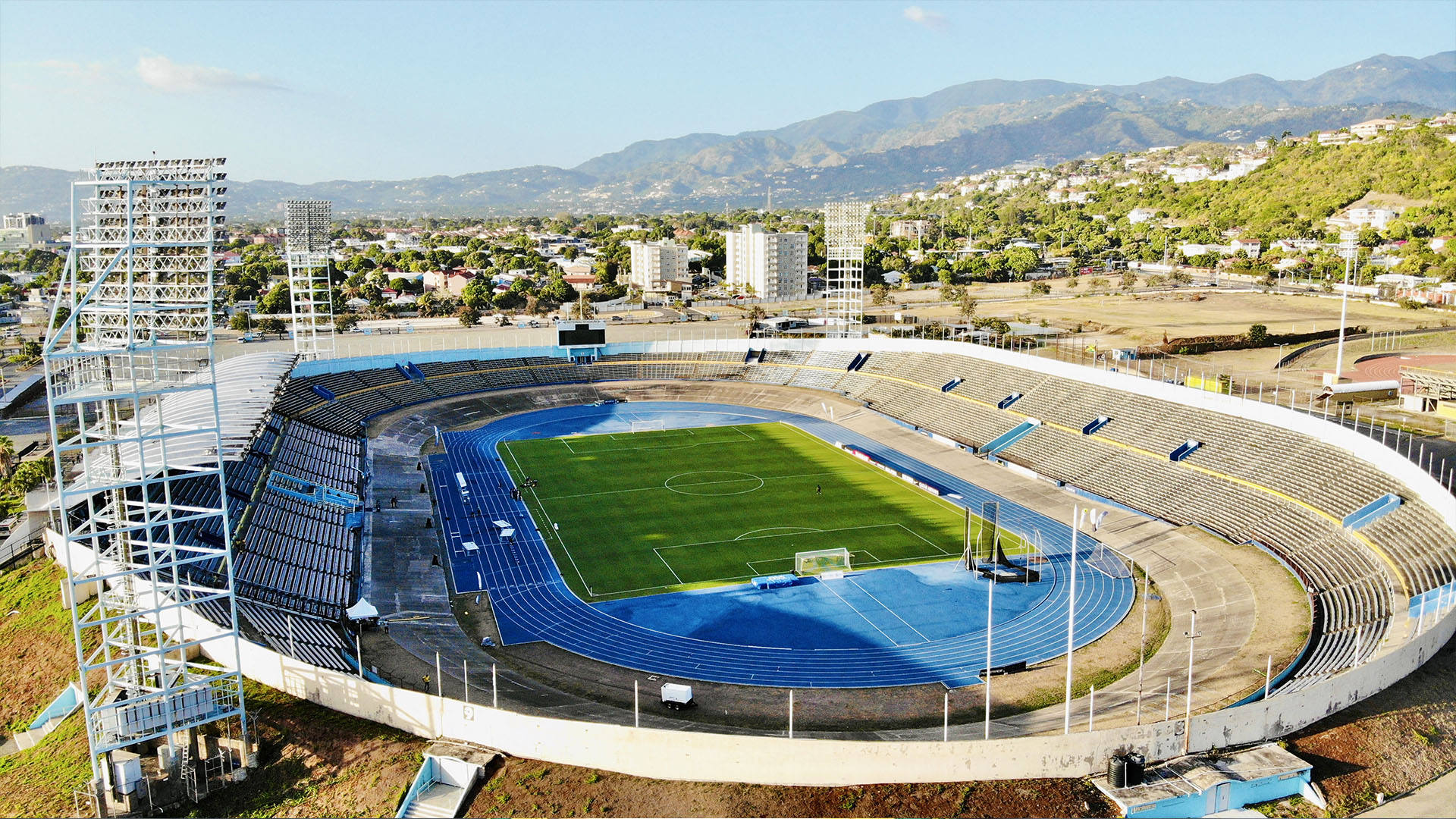
    Jamaica’s football infrastructure is inadequate for a country with World Cup ambitions. Training facilities that would be considered substandard in most CONCACAF nations. Pitches that deteriorate during the rainy season. A national stadium that, while iconic, needs modernisation.

    Infrastructure investment isn’t glamorous and doesn’t generate headlines. But it’s the foundation that everything else is built on. Players can’t develop on bad pitches. Coaches can’t implement sophisticated training programmes without proper facilities. Youth academies can’t function without dedicated spaces.

    The government, the private sector, and the JFF all have roles to play here. A national football infrastructure plan — with specific targets, timelines, and funding commitments — should be a prerequisite for any serious World Cup qualification campaign.

    The JPL Must Become a Real Development League

    The Jamaica Premier League should be the primary development pathway for Reggae Boyz players. Right now, it’s not functioning as that. Wages are too low to attract and retain the best domestic talent. The quality of play is inconsistent. The relationship between the league and the national team programme is not structured to maximise player development.

    A stronger JPL — with better wages, better facilities, better coaching, and a genuine competitive standard — would give the national team a deeper pool of domestically based players to draw from. It would also make Jamaica a more attractive option for dual-nationals, who would see a country that takes its domestic football seriously.

    The Expanded Format Is an Opportunity — Not a Guarantee

    The 48-team World Cup means more CONCACAF spots. That’s a mathematical advantage for Jamaica. But it’s not a free pass. Other CONCACAF nations are improving too. Central American and Caribbean nations are investing in their programmes. The competition for those extra spots will be fierce.

    Jamaica cannot rely on the expanded format to paper over structural deficiencies. The extra spots lower the barrier, but Jamaica still has to clear it. And clearing it requires the kind of sustained, strategic, well-funded effort that this country has never committed to in football.

    The Manifesto

    Here it is, plain and simple:

    Appoint a long-term coach and give them real authority. No more revolving doors. No more political appointments. Find the right person, give them the job, and let them work.

    Recruit dual-nationals strategically. Identify tactical needs first, then find players who fill them. Start the relationship early. Make Jamaica the obvious choice, not the fallback option.

    Reform the JFF. Transparency, accountability, term limits, professional administration. If the current leadership can’t deliver this, replace them with people who can.

    Build a youth development system. Structured academies, qualified coaches, education pathways. Invest in 13-year-olds today to produce 23-year-old internationals tomorrow.

    Fix the infrastructure. Pitches, training facilities, a national stadium that meets modern standards. No shortcuts.

    Strengthen the JPL. Livable wages, competitive standards, a genuine pathway to the national team. Make the domestic league matter.

    None of this is revolutionary. Every successful football nation on the planet has done some version of this. The knowledge isn’t the problem. The execution is.

    Jamaica has the talent. Jamaica has the diaspora. Jamaica has the passion. What Jamaica has lacked — consistently, stubbornly, frustratingly — is the institutional commitment to turn those advantages into results.

    The 2026 World Cup is on our doorstep. The expanded format has opened the door wider than it’s ever been. The question isn’t whether Jamaica can qualify. It’s whether the people responsible for Jamaican football are willing to do what’s necessary to make it happen.

    We’ve been waiting since 1998. It’s time to stop waiting and start building.

  • The EPL Title Race: Why It’s Never Been More Unpredictable

    The EPL Title Race: Why It’s Never Been More Unpredictable

    There was a time — not that long ago — when you could predict the Premier League title race by September. The gap between the super clubs and everyone else was so vast that the season was essentially a coronation with extra steps. Two or three teams had the financial muscle, the squad depth, and the managerial quality to compete. Everyone else was playing for fourth.

    That era is over. And the Premier League is more compelling for it.

    The 2025-26 season has reinforced something that’s been building for several years: the English top flight is approaching a level of competitive balance that would have seemed impossible a decade ago. More clubs have the resources to compete. More managers have the tactical sophistication to punch above their weight. And the regulatory environment — specifically the evolution of financial fair play and profitability and sustainability rules — has begun to reshape the economics of the league in ways that narrow the advantages of the traditional elite.

    Financial Rules Changed the Game

    The introduction and enforcement of the Premier League’s Profitability and Sustainability Rules (PSR) is the single biggest structural change to the competitive landscape. For decades, the richest clubs could simply outspend their rivals into submission. Buy the best players, pay the highest wages, repeat until trophies arrive. The financial gap was the competitive gap.

    PSR hasn’t eliminated spending advantages — the biggest clubs still spend more — but it has introduced constraints that matter. Clubs can no longer run unlimited losses chasing success. Transfer fees and wages have to be balanced against revenue. And the penalties for non-compliance — points deductions, transfer embargoes — are severe enough that even wealthy owners think twice before writing blank cheques.

    The practical effect has been a compression of spending. The gap between the biggest spenders and the middle tier has narrowed. Clubs that were previously priced out of top-tier talent can now compete for the same players, because the traditional elite can’t simply outbid everyone by fifty percent anymore.

    The Coaching Revolution

    Money matters, but it’s not the only factor that determines competitiveness. The Premier League has experienced a quiet revolution in coaching quality over the past five years, and its effects are visible in the table.

    The days when mid-table clubs employed journeyman managers who played reactive, unambitious football are largely gone. The current generation of Premier League managers — across the table, not just at the top — are tactically sophisticated, analytically literate, and ambitious. They press. They build from the back. They have defined playing identities. They develop players.

    This matters because it means that well-coached teams with inferior squads can consistently take points off better-resourced opponents. The tactical margins have narrowed alongside the financial margins. A club with a good coach, a clear identity, and players who fit the system can compete with anyone on any given weekend — and increasingly over a full season.

    Squad Depth Is the New Battleground

    The modern Premier League season is an endurance test. Between the league, domestic cups, and European competition, top clubs play upwards of fifty matches a season. That volume of fixtures exposes a truth that financial dominance used to obscure: depth matters more than peak quality.

    It doesn’t matter if you have the best starting eleven in the league if your bench can’t maintain standards when injuries and fatigue inevitably hit. And this is where the traditional elite’s advantage has eroded most dramatically. Mid-table clubs have improved their depth. Recruitment analytics have helped smaller clubs identify undervalued players who can contribute at a high level. Loan markets and sell-on clauses have created more fluid player movement.

    The result is that the traditional top clubs can no longer assume they’ll have a significant depth advantage over the rest of the league. Some weeks, they will. But over a 38-game season, the cumulative effect of marginal improvements across the league is that nobody can coast.

    The Death of the Two-Horse Race

    Previous eras of the Premier League often boiled down to a two-team fight. Arsenal and Manchester United in the late 1990s and early 2000s. Chelsea and the rest after Abramovich arrived. Manchester City’s gradual ascent to dominance. Liverpool’s challenge under Klopp. In each case, the title race was fundamentally a bilateral contest with occasional interlopers.

    That model has broken down. The current landscape features multiple credible contenders — not just two. And critically, the identity of those contenders is less predictable from season to season. A club that finishes seventh one year can genuinely challenge for the top four the next, if they recruit well, keep their manager, and avoid injury crises.

    This unpredictability is the Premier League’s greatest commercial asset and its greatest sporting achievement. No fan base starts the season knowing their team can’t compete. That hope — even when it’s unrealistic — drives engagement, ticket sales, and broadcast interest in a way that a predictable league simply can’t match.

    The European Factor

    The Champions League and Europa League add another layer of complexity to the domestic title race. The expanded Champions League format means more matches, more travel, more fatigue, and more squad rotation. For the clubs competing in Europe, the domestic season becomes a juggling act — and some inevitably drop balls.

    For clubs not in European competition, the advantage is clear: a full week between Premier League matches to prepare, recover, and refine. That advantage accumulates over a season, and it’s one of the reasons why clubs on the periphery of European qualification often perform better domestically than clubs who are actually in Europe.

    The new Champions League format has amplified this dynamic. More group-stage matches mean more weeks where European clubs are playing midweek while domestic-only clubs are resting. Over 38 league games, that adds up.

    What This Means for the Jamaican Football Fan

    Let’s be real — the EPL is massive in Jamaica. Walk into any bar, barber shop, or taxi and you’ll find someone with a strong opinion about Arsenal, Manchester United, Liverpool, or Chelsea. The Premier League is the most-watched football competition on the island, and its unpredictability is part of what makes it so compelling for Jamaican audiences.

    But beyond the entertainment value, there’s a lesson here for Jamaican football. The EPL’s increased competitiveness wasn’t an accident. It was the product of structural changes — financial regulation, improved coaching standards, better recruitment practices — that deliberately narrowed the gap between rich and poor. The league didn’t just hope for competitive balance. It created the conditions for it.

    Jamaican football could learn from that approach. Competitive balance doesn’t emerge naturally. It has to be designed, enforced, and maintained. Whether it’s the Jamaica Premier League or the national team programme, the principle is the same: sustained structural investment produces better competition, which produces better players, which produces better results.

    The Verdict

    The Premier League title race in 2025-26 is the most unpredictable it’s been in the modern era. Financial regulation has compressed spending gaps. Coaching quality has spread across the table. Squad depth has become more evenly distributed. European competition has created fatigue-based advantages for domestic-only clubs.

    The result is a league where genuine surprises are not just possible but probable. Where the question in August isn’t just who will win the title? but how many teams will be in the race come March? Where every weekend produces results that shift the narrative.

    For fans — in Jamaica and around the world — this is the best version of the Premier League. Unpredictable, competitive, and endlessly debatable. Long may it last.

  • What Does It Actually Take to Win the Champions League in 2026?

    What Does It Actually Take to Win the Champions League in 2026?

    The Champions League isn’t what it used to be. And that’s not nostalgia talking — it’s a structural reality. The introduction of the Swiss-model format has fundamentally changed the demands of European club football’s premier competition. More matches. More opponents. More variables. More ways to get it right, and far more ways to get it wrong.

    So what does it actually take to win the Champions League in 2026? Not in theory. Not in the abstract. What are the tangible, measurable qualities that separate the eventual champion from the thirty-five other clubs who start the tournament believing they have a chance?

    We broke it down.

    Squad Depth Is No Longer Optional — It’s the Whole Point

    Under the old group-stage format, a strong starting eleven could carry you through six matches against three opponents. You’d face two or three genuinely difficult fixtures, navigate them with your best players, and rotate for the dead rubbers. The knockout rounds demanded peak performance, but the group stage was manageable with a thin squad.

    The Swiss model destroyed that calculation. Eight league-phase matches against eight different opponents — some of which are among the best teams in the world — means you cannot rely on eleven players anymore. Squad rotation isn’t a luxury. It’s a survival strategy.

    The clubs that have thrived in the new format are the ones with genuine depth at every position. Not just backup players who can fill in without embarrassment, but second-choice options who could start for most other teams in the competition. The quality gap between your starting eleven and your rotation players has to be marginal, not significant.

    This is where the financial elite still have an advantage — but even they have discovered that buying depth isn’t the same as having it. Chemistry, tactical understanding, and squad harmony matter as much as individual quality. The best squads aren’t collections of superstars — they’re ecosystems where every player understands their role, whether they start or come off the bench in the 65th minute.

    Tactical Flexibility: The Death of the Single System

    The old Champions League rewarded teams with a clear identity. Find your system, drill it relentlessly, and impose it on every opponent. Pep Guardiola’s Barcelona. Jose Mourinho’s Inter Milan. Zinedine Zidane’s Real Madrid. Each had a defined style that they executed to near-perfection.

    The new format demands something different: tactical chameleons. Eight league-phase opponents means eight different tactical challenges, and the teams that can adapt their approach match-by-match — or even within matches — have a massive advantage over those who try to play the same way regardless of context.

    This puts an enormous premium on coaching. The manager’s ability to read opponents, adjust formations, and prepare bespoke tactical plans for each fixture is more important than ever. It’s not enough to have a philosophy. You need a philosophy that’s flexible enough to accommodate multiple tactical expressions.

    Watch the teams that progress deepest into the tournament and you’ll notice a pattern: they don’t play the same way twice. They might press high against one opponent and sit deep against another. They might play with a back three on Wednesday and a back four on Saturday. The constants are principles — pressing triggers, build-up patterns, defensive organisation — but the specific tactical shape is variable.

    The Physical Toll: Managing the Unmanageable

    Here’s a number that should concern every Champions League contender: the total distance travelled by players competing in both the league phase and the knockout rounds is significantly higher than under the old format. More matches means more minutes, more miles, and more accumulated fatigue — physical, mental, and emotional.

    The sports science departments of Champions League clubs have become as strategically important as the coaching staff. Managing player loads across domestic and European competitions, making decisions about when to rest key players, monitoring biomarkers for injury risk, and designing recovery protocols that allow players to compete at peak intensity twice a week for months on end — this is the unglamorous work that determines Champions League outcomes.

    The clubs that get this wrong pay the price in April and May, when the knockout rounds demand the highest intensity at the exact moment when bodies are most vulnerable. Hamstring injuries in the quarter-finals. Muscle fatigue in the semi-finals. A starting midfielder who’s physically present but running on fumes in the final. The margins at this level are so small that a ten percent reduction in physical output can be the difference between winning and losing.

    Psychological Resilience: The Invisible Quality

    The Champions League has always been a mental test, but the new format has amplified the psychological demands. Eight league-phase matches mean more opportunities for adversity — unexpected defeats, controversial decisions, injuries to key players. The team that handles adversity best doesn’t just survive the league phase — they arrive in the knockouts with a psychological hardness that can’t be manufactured.

    The knockout rounds remain, fundamentally, a test of nerve. Home and away over two legs (except the final), with away goals no longer counting double but the pressure of a hostile environment still very real. The teams that win the Champions League are the ones that stay calm when the stadium is shaking, make the right decisions under extreme pressure, and treat moments of crisis as opportunities rather than catastrophes.

    This isn’t something you can buy or even coach in the traditional sense. It comes from experience, from culture, from having players who have been in high-pressure situations before and know — not think, know — that they can handle them. It’s the reason certain clubs seem to perform better in the Champions League than their domestic form would suggest. They have a winning culture in this competition that transcends individual talent.

    Set Pieces: The Great Equaliser

    One tactical dimension that has grown in importance in the new format is set-piece execution. When the margins between teams are tiny — and in the Champions League, they are — the ability to score from corners, free kicks, and throw-ins becomes a genuine competitive advantage.

    The best teams in the current Champions League cycle have invested heavily in set-piece coaching. Dedicated set-piece coaches, bespoke routines for specific opponents, and analytical frameworks that identify defensive vulnerabilities from dead-ball situations. It’s not glamorous, but it’s effective.

    The numbers bear this out. An increasing percentage of Champions League goals come from set pieces, and the teams that are most effective from dead balls tend to progress deeper into the tournament. In tight knockout ties — where open-play chances are scarce and defences are organised — a well-executed corner or free kick can be the decisive moment.

    The Manager Factor

    If there’s one consistent thread that connects every Champions League winner, it’s the quality of the manager. Not just their tactical acumen, but their ability to manage the entirety of a Champions League campaign — the squad, the schedule, the psychology, the media, the pressure.

    The Champions League is a nine-month campaign that requires different management skills at different stages. The league phase demands rotation and patience. The round of 16 demands intensity and preparation. The quarter-finals and semi-finals demand tactical brilliance and nerve. The final demands everything.

    The managers who win the Champions League are the ones who can navigate all of these phases without losing the squad’s trust, focus, or hunger. They make the right substitutions. They pick the right teams for the right matches. They say the right things in the dressing room at half-time when the tie is slipping away. They are, in the truest sense, the difference-makers.

    So What Does It Take?

    A squad with genuine depth at every position. A coaching staff that can adapt tactically match-by-match. A sports science programme that manages physical loads across a gruelling schedule. Players with the psychological resilience to thrive under pressure. Set-piece excellence. And a manager who can tie all of these threads together over nine months without losing the plot.

    Simple, right?

    The Champions League in 2026 is the most demanding it’s ever been. The Swiss model has raised the bar for every quality that matters — fitness, depth, adaptability, mentality. The club that lifts the trophy in May won’t just be the most talented. They’ll be the most complete. The most resilient. The most prepared.

    And that’s exactly how it should be. The biggest prize in club football should go to the team that masters every dimension of the game, not just the ones with the biggest chequebook. The new format has made the Champions League harder to win and more fascinating to watch. The cream still rises. But the cream has to be thicker than it’s ever been.