In late 2021, we published a piece with a definitive title: The WI T20 Dynasty IS Over. At the time, it felt like a bold statement. West Indies had won back-to-back T20 World Cups in 2012 and 2016, and the cricketing world still associated the Caribbean with explosive, fearless short-format cricket. Surely, we were being premature.
We weren’t. If anything, we were being generous.
The Decline in Numbers
West Indies cricket has fallen across every format and every measurable metric. The ICC rankings tell a story that no amount of press conferences or strategic plans can obscure: this is a cricketing nation in freefall. In Test cricket, the West Indies are barely competitive against the top sides. In ODIs, they’ve struggled to qualify consistently for major tournaments. And in T20Is — the format they were supposed to own — the results have been deeply disappointing.
The generation that won those World Cups is gone or ageing out. And the pipeline behind them has produced flickers of talent but nothing approaching the sustained excellence that characterised West Indian cricket at its best.
The Governance Problem
Cricket West Indies (CWI) has presided over this decline with a mixture of bureaucratic inertia and public optimism that borders on delusion. Board meetings produce announcements. Announcements produce nothing. The same structural issues that have been identified by every commission, every report, every former player who dared to speak up remain unaddressed.
The relationship between the regional board and the territorial boards continues to be dysfunctional. Funding is inconsistent. Communication between the national team setup and the domestic structure is poor. And the people in charge seem more interested in maintaining their positions than in the radical reform that the situation demands.
This is the fundamental problem. West Indian cricket doesn’t need tweaks. It needs a revolution. And revolutions don’t come from the people who benefit from the status quo.
The CPL Paradox
The Caribbean Premier League was supposed to be the answer — or at least part of it. A franchise T20 league that would bring money, exposure, and development opportunities to the region. And in some ways, it has delivered. The CPL has produced memorable cricket, attracted international stars, and given young Caribbean cricketers a platform to showcase their skills.
But there’s a darker side to the equation. The CPL has also created a generation of players who are optimised for franchise cricket rather than international cricket. The skills that make you valuable in a T20 franchise — power hitting, death bowling, fielding athleticism — are not the same skills that win you a Test series in Australia or an ODI World Cup. The CPL hasn’t replaced the first-class cricket system as a development pathway, but it has certainly undermined it.
When your best players would rather play franchise cricket around the world for better pay and less physical toll than represent the West Indies in a Test series, you have a values problem as much as a structural one.
Jamaica’s Role
In Jamaica specifically, cricket’s decline mirrors the regional trend but with its own particular flavour. The sport is losing ground to football, track and field, and even basketball in the competition for young athletic talent. School cricket programmes have shrunk. Facilities have deteriorated. The Jamaica Tallawahs’ CPL campaigns, while occasionally entertaining, haven’t translated into a deeper cricket culture on the island.
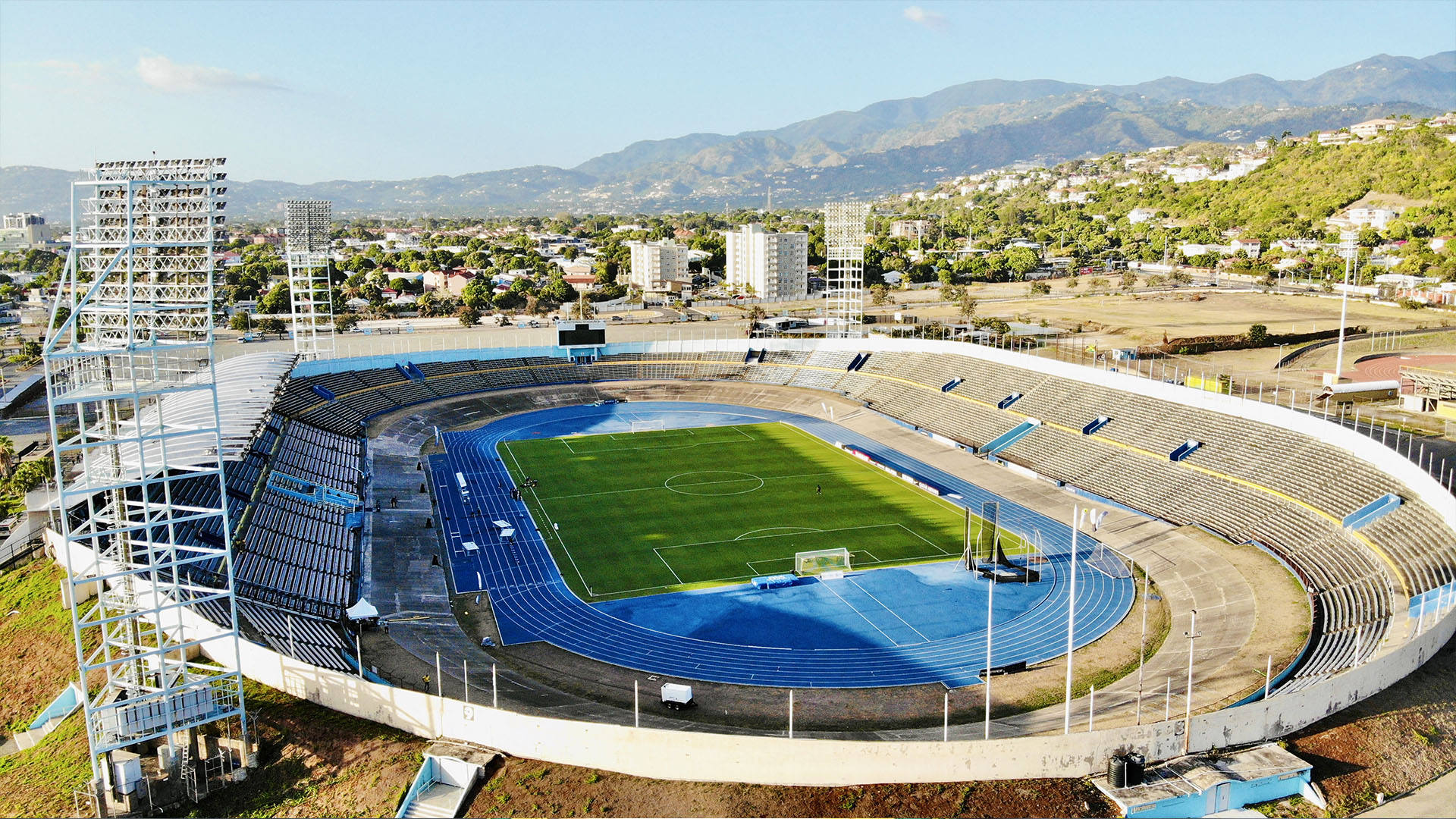
Sabina Park — once one of the most feared grounds in world cricket — still hosts international matches, but the atmosphere is a shadow of what it was in the Ambrose and Walsh era. The stands are often sparse. The energy is muted. The connection between the Jamaican public and West Indian cricket has frayed to the point where many young Jamaicans couldn’t name a single current player.
Is There a Way Back?
The honest answer is: not without pain, and not quickly. The problems facing West Indian cricket are so deeply embedded in the sport’s governance, economics, and culture that no single initiative or appointment will fix them.
What would help? A complete overhaul of CWI’s governance structure — one that brings in professional administrators with experience in sports management, not just former players and political appointees. A serious investment in grassroots cricket across all territories, with proper funding for school and club programmes. A renegotiation of the relationship between franchise cricket and the national team, ensuring that representing the West Indies is seen as the highest honour, not an inconvenience that disrupts your T20 league schedule.
And most importantly, honesty. The West Indies cricketing public deserves to be told the truth about where their sport is, why it got there, and how long the recovery will take. The era of pretending that everything is fine while the results get worse and the stands get emptier needs to end.
The Stakes
Cricket isn’t just a sport in the Caribbean. It’s woven into the cultural identity of the region in a way that few outsiders fully appreciate. The decline of West Indian cricket is a cultural loss, not just a sporting one. And if the current trajectory continues unchecked, there’s a real possibility that within a generation, cricket will be a marginal sport in the Caribbean — watched on television when international stars come to play the CPL, but no longer part of the lived experience of young people in Jamaica, Trinidad, Barbados, and the rest.
That would be a tragedy. And it doesn’t have to happen. But preventing it requires the kind of courage, vision, and sacrifice that Caribbean cricket’s current leadership has shown no evidence of possessing.
We’re still falling. And nobody’s built a floor yet.