Category: Cricket

  • West Indies Cricket: Still Falling, No Floor in Sight

    West Indies Cricket: Still Falling, No Floor in Sight

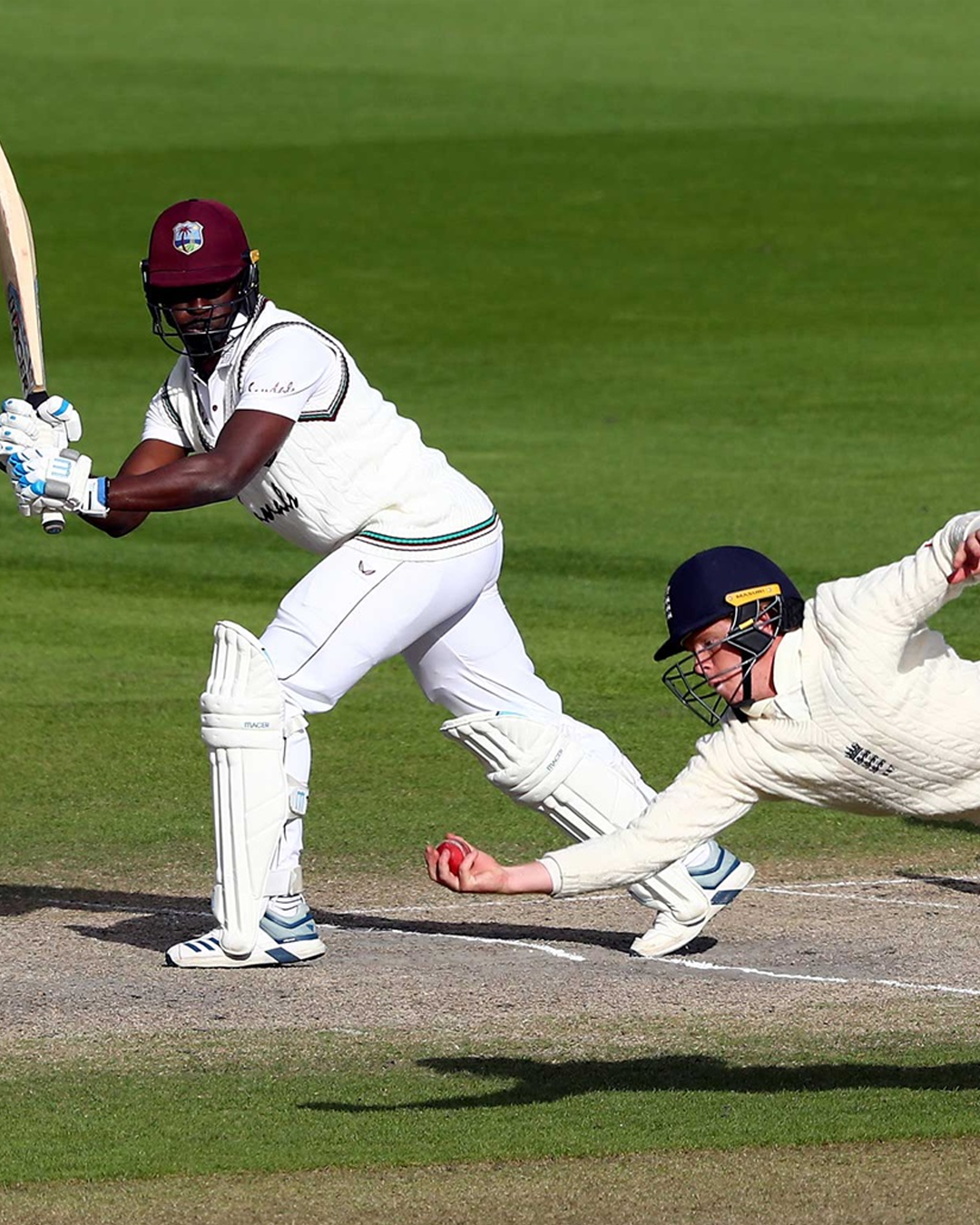
    In late 2021, we published a piece with a definitive title: The WI T20 Dynasty IS Over. At the time, it felt like a bold statement. West Indies had won back-to-back T20 World Cups in 2012 and 2016, and the cricketing world still associated the Caribbean with explosive, fearless short-format cricket. Surely, we were being premature.

    We weren’t. If anything, we were being generous.

    The Decline in Numbers

    West Indies cricket has fallen across every format and every measurable metric. The ICC rankings tell a story that no amount of press conferences or strategic plans can obscure: this is a cricketing nation in freefall. In Test cricket, the West Indies are barely competitive against the top sides. In ODIs, they’ve struggled to qualify consistently for major tournaments. And in T20Is — the format they were supposed to own — the results have been deeply disappointing.

    The generation that won those World Cups is gone or ageing out. And the pipeline behind them has produced flickers of talent but nothing approaching the sustained excellence that characterised West Indian cricket at its best.

    The Governance Problem

    Cricket West Indies (CWI) has presided over this decline with a mixture of bureaucratic inertia and public optimism that borders on delusion. Board meetings produce announcements. Announcements produce nothing. The same structural issues that have been identified by every commission, every report, every former player who dared to speak up remain unaddressed.

    The relationship between the regional board and the territorial boards continues to be dysfunctional. Funding is inconsistent. Communication between the national team setup and the domestic structure is poor. And the people in charge seem more interested in maintaining their positions than in the radical reform that the situation demands.

    This is the fundamental problem. West Indian cricket doesn’t need tweaks. It needs a revolution. And revolutions don’t come from the people who benefit from the status quo.

    The CPL Paradox

    The Caribbean Premier League was supposed to be the answer — or at least part of it. A franchise T20 league that would bring money, exposure, and development opportunities to the region. And in some ways, it has delivered. The CPL has produced memorable cricket, attracted international stars, and given young Caribbean cricketers a platform to showcase their skills.

    But there’s a darker side to the equation. The CPL has also created a generation of players who are optimised for franchise cricket rather than international cricket. The skills that make you valuable in a T20 franchise — power hitting, death bowling, fielding athleticism — are not the same skills that win you a Test series in Australia or an ODI World Cup. The CPL hasn’t replaced the first-class cricket system as a development pathway, but it has certainly undermined it.

    When your best players would rather play franchise cricket around the world for better pay and less physical toll than represent the West Indies in a Test series, you have a values problem as much as a structural one.

    Jamaica’s Role

    In Jamaica specifically, cricket’s decline mirrors the regional trend but with its own particular flavour. The sport is losing ground to football, track and field, and even basketball in the competition for young athletic talent. School cricket programmes have shrunk. Facilities have deteriorated. The Jamaica Tallawahs’ CPL campaigns, while occasionally entertaining, haven’t translated into a deeper cricket culture on the island.

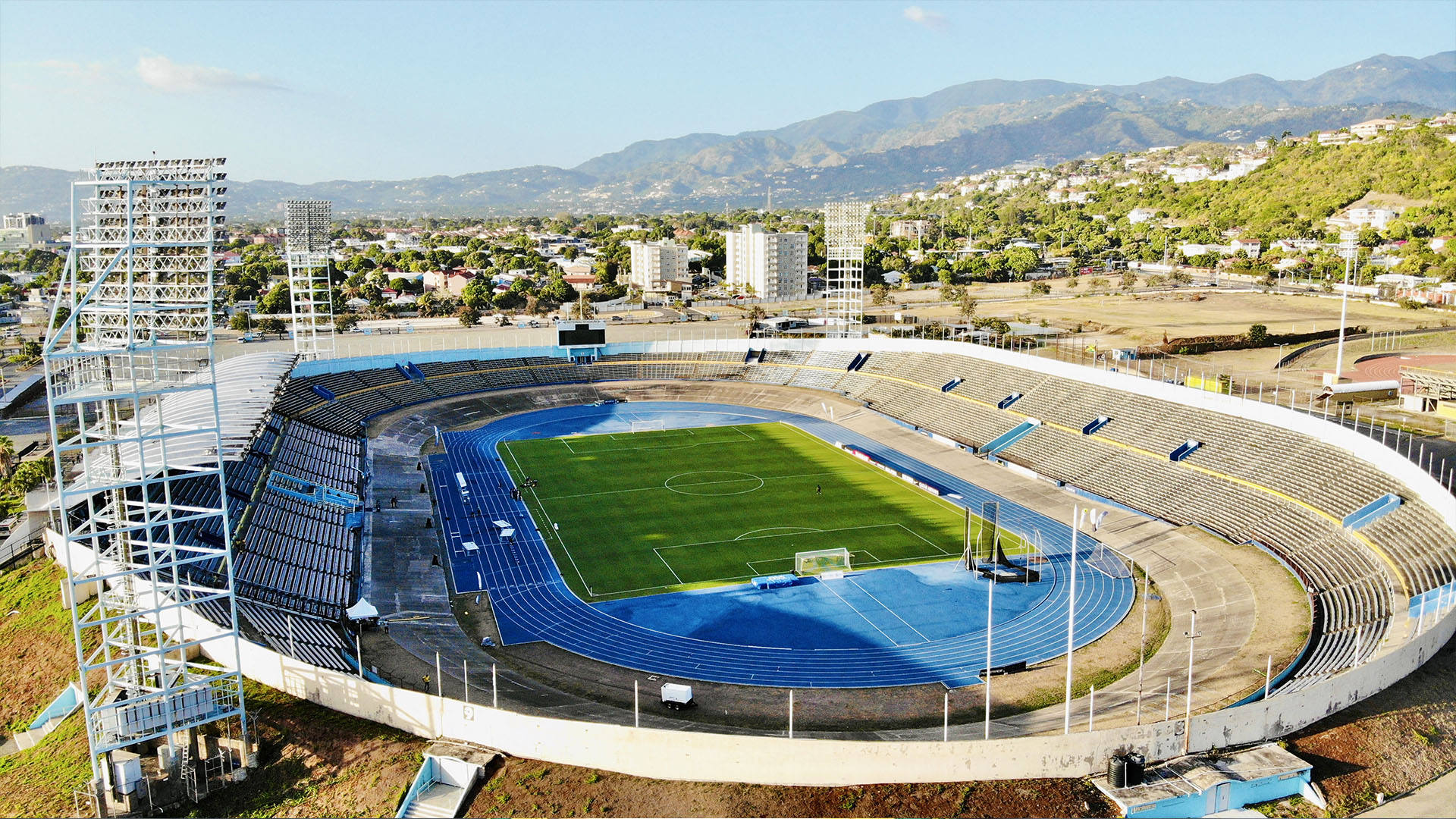
    Sabina Park — once one of the most feared grounds in world cricket — still hosts international matches, but the atmosphere is a shadow of what it was in the Ambrose and Walsh era. The stands are often sparse. The energy is muted. The connection between the Jamaican public and West Indian cricket has frayed to the point where many young Jamaicans couldn’t name a single current player.

    Is There a Way Back?

    The honest answer is: not without pain, and not quickly. The problems facing West Indian cricket are so deeply embedded in the sport’s governance, economics, and culture that no single initiative or appointment will fix them.

    What would help? A complete overhaul of CWI’s governance structure — one that brings in professional administrators with experience in sports management, not just former players and political appointees. A serious investment in grassroots cricket across all territories, with proper funding for school and club programmes. A renegotiation of the relationship between franchise cricket and the national team, ensuring that representing the West Indies is seen as the highest honour, not an inconvenience that disrupts your T20 league schedule.

    And most importantly, honesty. The West Indies cricketing public deserves to be told the truth about where their sport is, why it got there, and how long the recovery will take. The era of pretending that everything is fine while the results get worse and the stands get emptier needs to end.

    The Stakes

    Cricket isn’t just a sport in the Caribbean. It’s woven into the cultural identity of the region in a way that few outsiders fully appreciate. The decline of West Indian cricket is a cultural loss, not just a sporting one. And if the current trajectory continues unchecked, there’s a real possibility that within a generation, cricket will be a marginal sport in the Caribbean — watched on television when international stars come to play the CPL, but no longer part of the lived experience of young people in Jamaica, Trinidad, Barbados, and the rest.

    That would be a tragedy. And it doesn’t have to happen. But preventing it requires the kind of courage, vision, and sacrifice that Caribbean cricket’s current leadership has shown no evidence of possessing.

    We’re still falling. And nobody’s built a floor yet.
  • Can the CPL Save West Indian Cricket — Or Is It Making Things Worse?

    Can the CPL Save West Indian Cricket — Or Is It Making Things Worse?

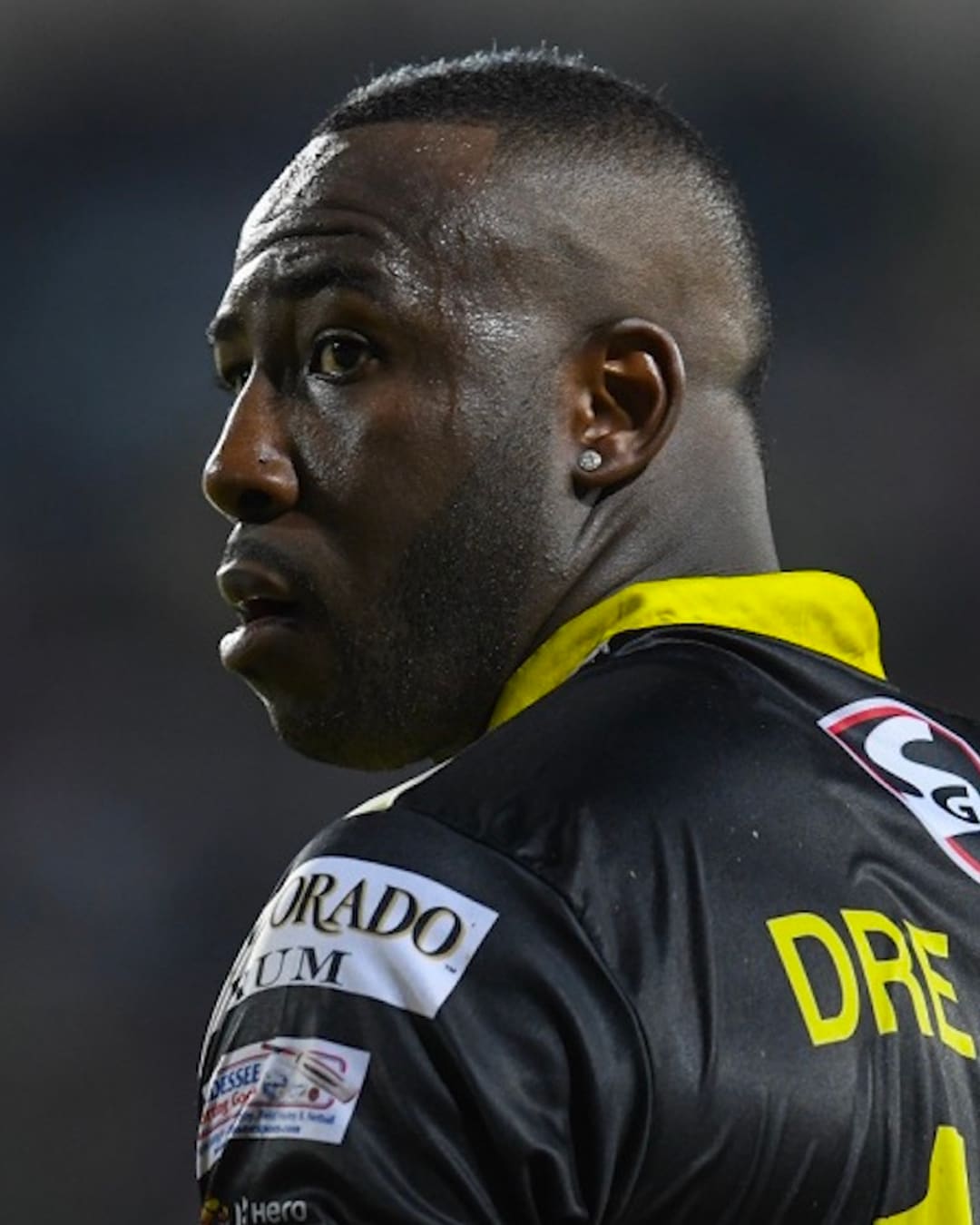
    The Caribbean Premier League was born with a promise: to revitalize cricket in the West Indies. Bring in investment. Create stars. Fill stadiums. Give young Caribbean cricketers a platform to showcase their talent alongside the best in the world. On paper, the vision was irresistible. A franchise T20 league tailored to the Caribbean’s strengths — flair, entertainment, and the kind of boundary-clearing power hitting that the region has always excelled at.

    And to be fair, the CPL has delivered on many of those promises. The tournament generates buzz. It attracts international stars. It produces moments of genuine cricketing brilliance. The Jamaica Tallawahs alone have given Jamaican cricket fans more reasons to pay attention in September than the first-class season gives them for the rest of the year.

    But here’s the question nobody in cricket administration wants to answer honestly: is the CPL actually helping West Indian cricket? Or is it accelerating the very problems it was supposed to solve?

    The Case for the CPL

    Let’s start with what the league gets right, because the positives are real and shouldn’t be dismissed.

    Exposure for young players. The CPL has given dozens of young Caribbean cricketers the opportunity to play alongside and against international stars. That experience — learning from players who compete in the IPL, Big Bash, and international cricket year-round — is invaluable. A 20-year-old fast bowler running in to bowl against a top-order batter from India or Australia learns more in one over than they might in a month of domestic four-day cricket.

    Revenue injection. Cricket in the Caribbean has always been underfunded relative to its ambitions. The CPL brings money into the ecosystem — through broadcasting deals, sponsorships, and gate receipts. Some of that money flows down to the territorial boards and, eventually, to grassroots programmes. It’s not enough, but it’s more than was there before.

    Public engagement. Perhaps most importantly, the CPL keeps cricket relevant in the Caribbean consciousness. In a region where football, athletics, and other sports are competing for the attention of young people, the CPL provides a concentrated burst of cricketing excitement that generates social media engagement, water-cooler conversation, and television viewership. Without the CPL, cricket’s visibility in the Caribbean would be significantly lower.

    Global scouting platform. The CPL has served as a shop window for Caribbean cricketers seeking contracts in other franchise leagues around the world. Players who perform well in the CPL attract interest from the IPL, Big Bash, SA20, and other lucrative competitions. This creates earning opportunities that simply didn’t exist a generation ago.

    The Case Against

    Now for the uncomfortable part. Because the CPL’s success has come with costs that are rarely discussed openly.

    The franchise player pipeline problem. The CPL has created a generation of cricketers who are optimized for franchise T20 cricket. Power hitters who can clear the ropes but can’t construct a Test innings. Death bowlers who can nail their yorkers at the end of a T20 but can’t bowl a disciplined spell with the red ball on a flat pitch. Fielders who are athletic and electric in the short format but lack the concentration and stamina that Test cricket demands.

    This isn’t a CPL-specific problem — it’s a global franchise cricket problem. But it hits West Indian cricket harder than most because the alternatives are weaker. England has a robust county championship. Australia has the Sheffield Shield. India has the Ranji Trophy. These first-class structures provide a counterbalance to the franchise cricket culture, ensuring that players develop red-ball skills alongside their white-ball games. West Indian cricket’s first-class competition, the Regional Super50 and the four-day tournament, is underfunded, poorly attended, and increasingly treated as an afterthought.

    The availability crisis. When your best players are being offered lucrative contracts in franchise leagues around the world — the IPL, Big Bash, SA20, PSL, and various others — their availability for West Indian cricket becomes a negotiation rather than an obligation. We’ve seen it repeatedly: top Caribbean cricketers prioritizing franchise commitments over national team duty, particularly for bilateral series and the first-class domestic competition.

    The CPL didn’t create this dynamic, but it normalized it. By establishing franchise cricket as the primary revenue source for Caribbean cricketers, it shifted the economic incentive structure away from national representation. Why would a talented all-rounder choose a poorly-paid first-class match over a franchise contract worth several times the annual salary?

    The development gap. The CPL season is concentrated into a few weeks. The rest of the year, many of the young players who shone in the tournament return to a domestic cricket structure that doesn’t provide consistent competitive cricket at a high enough level. The gap between the intensity of the CPL and the standard of regular domestic cricket is enormous, and it means that development is happening in bursts rather than through sustained, progressive improvement.

    The Jamaica Tallawahs Question

    For Jamaican cricket specifically, the Tallawahs are both a blessing and a complication. On one hand, the franchise gives Jamaican cricketers a platform and gives Jamaican cricket fans something to rally around. Sabina Park during a CPL match has an atmosphere that regular West Indian cricket struggles to match — the music, the energy, the crowd participation. It’s entertainment, and it works.

    On the other hand, the Tallawahs’ existence hasn’t translated into a deeper cricket culture in Jamaica. Youth cricket participation on the island continues to decline. School cricket programmes are shrinking. The pipeline that once produced cricketers naturally from school yards and community clubs is narrower than it’s ever been.

    The CPL is a three-week party. But what happens the other 49 weeks of the year? If the answer is “not much,” then the party isn’t building anything sustainable. It’s just a temporary distraction from the longer-term decline.

    The Structural Question

    At the heart of this debate is a structural question about what cricket in the West Indies is for. If the goal is entertainment — filling stadiums for a few weeks, generating social media content, producing highlight reels — then the CPL is an unqualified success. It does all of those things better than any other Caribbean cricket product.

    But if the goal is producing a West Indian cricket team that can compete consistently at the highest level in all formats — that can win Test series, compete in World Cups, and represent the Caribbean with the kind of sustained excellence that previous generations achieved — then the CPL is, at best, an incomplete answer. And at worst, it’s a distraction that gives the impression of a healthy cricket ecosystem while the foundations continue to erode.

    The uncomfortable truth is that franchise T20 cricket and international cricket development often have competing interests. The franchise model wants the best players available for its tournaments. International cricket wants those same players available for national duty. The franchise model develops specific T20 skills. International cricket needs players with a broader skill set. The franchise model generates revenue in concentrated bursts. International cricket needs sustained investment year-round.

    Finding the Balance

    The CPL isn’t going away, and it shouldn’t. The positives it brings to Caribbean cricket are real and valuable. But the relationship between franchise cricket and the broader cricketing ecosystem needs to be fundamentally restructured if West Indian cricket is going to arrest its decline.

    Contractual obligations. West Indian cricketers who play in the CPL should be contractually required to participate in a minimum number of first-class and List A domestic matches. If the CPL is going to benefit from the Caribbean talent pool, it should contribute to its development in a structured way.

    Revenue sharing with teeth. A meaningful percentage of CPL revenue should be ring-fenced for grassroots development — youth coaching programmes, facility upgrades, school cricket equipment. Not as a goodwill gesture, but as a mandatory investment in the sport’s future.

    A development tier. The CPL should establish a formal development pathway — an under-21 competition, perhaps, that runs alongside the main tournament and gives the next generation of Caribbean cricketers structured competitive experience in a high-profile environment.

    National team primacy. Cricket West Indies needs to reassert the principle that representing the West Indies is the highest honour in Caribbean cricket. That means scheduling that doesn’t conflict with major franchise windows, compensation that is competitive with franchise contracts, and a culture that makes national team selection something players aspire to rather than fit in when convenient.

    The Verdict

    Can the CPL save West Indian cricket? Not on its own. Not in its current form. The CPL is a commercial product that produces entertainment. It was never designed to be a development pathway, and expecting it to solve the structural problems of Caribbean cricket is unfair to the tournament and dangerous for the sport.

    But is the CPL making things worse? That depends on what the alternative would be. Without the CPL, cricket’s visibility in the Caribbean would be lower, revenue would be scarcer, and young players would have fewer opportunities to test themselves against international-class opponents. The CPL isn’t the disease — it’s a treatment that addresses some symptoms while potentially masking others.

    What West Indian cricket needs isn’t less CPL. It’s more of everything else. A stronger first-class competition. Better-funded youth programmes. Facilities that don’t embarrass the sport. Governance that prioritizes long-term development over short-term political survival.

    The CPL is a part of the solution. But only a part. And the sooner Caribbean cricket’s administrators accept that, the sooner they can start building the structures that will actually save the sport they claim to love.

    The Tallawahs will fill Sabina Park again this year. The cricket will be thrilling. The atmosphere will be electric. And the morning after the final, West Indian cricket will still be searching for answers to the same questions it’s been asking for a decade.

    The CPL isn’t the answer. But it could be part of one — if the people in charge have the vision to make it so.

  • Cricket in Jamaica: A Sport Fighting for Its Next Generation

    Cricket in Jamaica: A Sport Fighting for Its Next Generation

    Drive through any parish in Jamaica on a Saturday afternoon and you’ll see football. On almost every open field, every school yard, every patch of flat-ish grass between buildings, there are kids playing football. It’s the default. The automatic choice. The thing Jamaican youth do when they have a ball and some free time.

    Now try to find a cricket match.

    You’ll find them, if you look hard enough. In certain schools that still carry the tradition. In parish competitions that run on the dedication of a few tireless volunteers. In clubs that have been around for decades, their membership aging but their commitment unshaken. Cricket in Jamaica hasn’t disappeared. But it has retreated — from the mainstream to the margins, from the front page to a footnote, from something every child played to something most children have never tried.

    This is a feature story about what’s happening at the grassroots of Jamaican cricket. Not the West Indies team. Not the CPL. Not international rankings or ICC politics. The ground level. The schools and clubs and parish grounds where the next generation of Jamaican cricketers should be developing — and mostly isn’t.

    The Schools: Where It Starts (and Often Ends)

    Cricket in Jamaica’s schools has contracted dramatically over the past two decades. Schools that once fielded competitive cricket teams have dropped the sport entirely, redirecting their limited sports budgets toward football and track and field — sports that offer more visible pathways to scholarships, national representation, and professional careers.

    The Manning Cup and DaCosta Cup in football, and Inter-Secondary Schools Boys and Girls Championships (Champs) in track and field, dominate the Jamaican school sports calendar. They attract media coverage, corporate sponsorship, and public attention. School cricket competitions exist, but they operate in relative obscurity — fewer teams, fewer spectators, minimal media coverage, and negligible sponsorship.

    For a school principal making resource allocation decisions — where to spend limited funding, which sports to invest coaching time in — the incentive structure overwhelmingly favours football and track. Cricket costs more per participant (equipment is expensive), requires more specialised facilities (a proper pitch, nets for practice), and offers a less clear return on investment in terms of student scholarships or institutional prestige.

    The result is predictable. Fewer schools playing cricket means fewer children exposed to the sport. Fewer children exposed means a smaller talent pool. A smaller talent pool means weaker parish and national age-group teams. And weaker age-group teams mean fewer players good enough to progress to senior domestic cricket, let alone international cricket.

    The pipeline starts in schools. And in most schools, the pipeline doesn’t exist anymore.

    The Clubs: Holding On

    If school cricket is the pipeline’s entry point, club cricket is supposed to be its development stage — the place where young players who’ve been identified in school programmes graduate to a more serious, more competitive environment. The place where technical skills are refined, tactical understanding deepens, and the best players are prepared for domestic first-class cricket.

    Jamaican club cricket still functions in this role, but barely. The clubs that remain active — and there are fewer each year — operate on shoestring budgets. Ground maintenance is the responsibility of the clubs themselves, and most can barely afford to keep their playing surfaces in acceptable condition. Equipment is shared, often old, sometimes unsafe. Coaching is provided by former players volunteering their time, not by professionally trained and compensated coaches.

    The age profile of club cricket tells its own story. The membership skews older, with experienced players continuing to compete well into their 40s and 50s — not because they want to dominate age-group cricket, but because there simply aren’t enough younger players joining to replace them. A sport that isn’t attracting young participants is a sport with an expiration date.

    There are exceptions. Some clubs in Kingston and St. Catherine maintain active junior programmes and continue to develop promising young cricketers. But these exceptions prove the rule: they survive because of the personal commitment of a few individuals, not because of any systemic support from cricket’s governing bodies.

    The Facilities: Crumbling

    Cricket is an infrastructure-intensive sport. You need a proper pitch — rolled, maintained, with consistent bounce. You need practice nets. You need outfield grass that’s actually cut. You need a pavilion where players can change. You need boundary markers, sight screens, a scoreboard. None of this is luxurious. All of it is basic.

    And most Jamaican cricket facilities don’t have it. Outside of Sabina Park — Jamaica’s only international-standard venue — the playing surfaces available for domestic and grassroots cricket range from adequate to dangerous. Uneven bounce is not a character-building challenge when you’re a 14-year-old facing a fast bowler; it’s a safety hazard. And when the facilities are poor, parents — rightly — are reluctant to encourage their children to play.

    The contrast with football is stark. Football requires a flat-ish surface and two sets of goalposts. That’s it. You can play on dirt, on concrete, on a school yard with bags for goalposts. The infrastructure barrier to entry is virtually zero. For cricket, the barrier is real, and in many parts of Jamaica, it’s insurmountable.

    The Competition for Attention

    Cricket’s grassroots decline in Jamaica isn’t happening in a vacuum. It’s happening in a context where the sport is competing for young people’s attention against football, track and field, basketball, dancehall culture, social media, gaming, and a dozen other claims on a teenager’s time and energy.

    In that competition, cricket has significant disadvantages. It’s slow — a parish match can last an entire day. It’s technical — you can’t just pick up a bat and immediately be good; the learning curve is steeper than almost any other sport. It’s culturally unfashionable — in a society that increasingly values speed, spectacle, and instant gratification, a sport that rewards patience, technique, and the ability to bat for three hours without scoring quickly feels anachronistic.

    The T20 format was supposed to address some of this. Shorter, faster, more exciting — T20 was designed to make cricket accessible to audiences and participants who couldn’t commit to the longer formats. And at the professional level, it has worked: the CPL is popular entertainment, and T20 internationals draw attention. But at the grassroots level in Jamaica, T20 hasn’t translated into increased participation. Watching cricket on TV and actually playing it are very different things, and the barriers to playing haven’t changed.

    What Would a Revival Look Like?

    Let’s be clear about the scale of the challenge. Reversing cricket’s grassroots decline in Jamaica would require sustained, coordinated effort over years, probably decades. There are no quick fixes. But there are strategies that could begin to turn the tide.

    Equipment access. The single biggest barrier to youth cricket participation is the cost of equipment. Bats, pads, gloves, helmets — for a family living in most Jamaican communities, outfitting a child for cricket is a significant expense. A national programme that provides basic equipment to school cricket programmes — not as a one-off donation, but as an ongoing, budgeted commitment — would immediately expand the number of children who can play.

    Coaching development. Cricket coaching at the grassroots level needs to be professionalized. That means training coaches, paying them, and deploying them to schools and clubs across the island — not just in Kingston but in every parish. The Jamaica Cricket Association needs to build a coaching workforce, not rely on the goodwill of volunteers.

    Facility investment. At minimum, every parish needs one properly maintained cricket facility — a ground with a decent pitch, practice nets, and basic amenities. This is the foundation. Without it, nothing else matters.

    School programme partnerships. Cricket’s governing bodies need to make it easy and attractive for schools to offer the sport. That means providing equipment, coaching support, and competition infrastructure — removing the burden from school administrators who are already stretched thin.

    Making cricket visible again. Media coverage matters. Sponsorship matters. If grassroots cricket competitions are invisible — no coverage, no social media presence, no public awareness — then they don’t exist in the minds of potential participants. The JCA needs a communications strategy that puts grassroots cricket in front of the public, consistently and compellingly.

    Why It Matters

    Cricket is part of Jamaica’s cultural heritage. It arrived with colonialism, yes, but it was adopted, reshaped, and made Caribbean in ways that reflect the region’s creativity, resilience, and competitive spirit. The great West Indian teams of the past weren’t just cricket teams. They were cultural statements — demonstrations that Caribbean people could compete with and defeat anyone in the world at the highest level.

    Losing that heritage — not through a dramatic collapse but through a slow, quiet erosion of participation at the base — would be a loss that goes beyond sport. It would be a loss of identity. Of connection to a history that shaped the region. Of an avenue through which young Jamaicans could develop discipline, teamwork, strategic thinking, and the resilience that comes from a sport where failure is built into the experience.

    Cricket in Jamaica is not dead. But it is being outcompeted, under-resourced, and slowly forgotten at the level where it matters most — the grassroots. The schools, the clubs, the parish grounds. The places where the next Chris Gayle, the next Courtney Walsh, the next Marlon Samuels should be developing.

    If we want those players to exist, we have to build the system that produces them. And right now, we’re not building. We’re watching it decay.

    The fight for cricket’s next generation in Jamaica starts at the bottom. And right now, the bottom is losing.