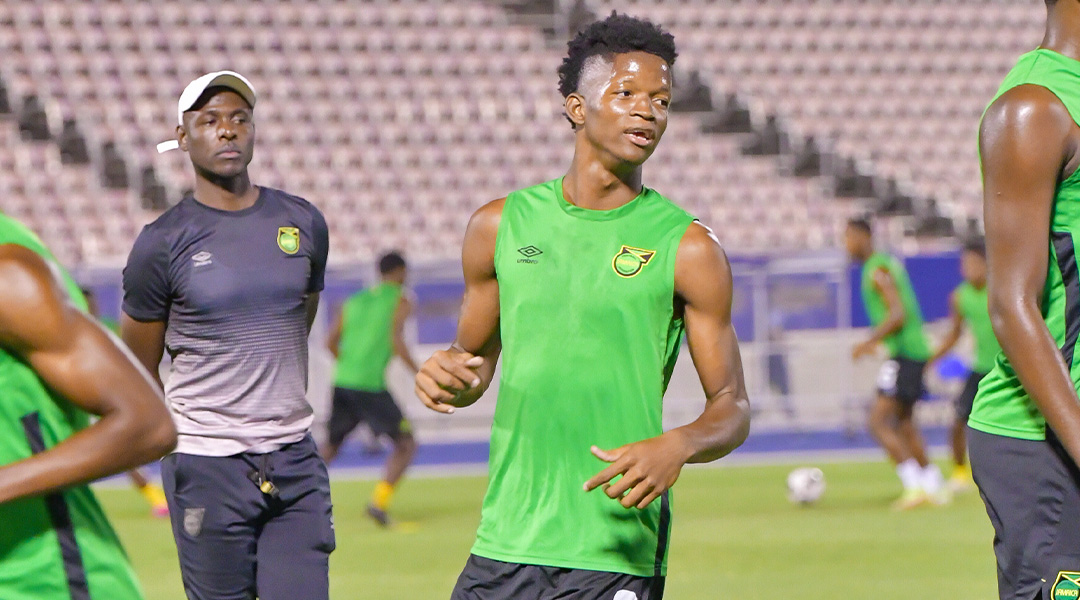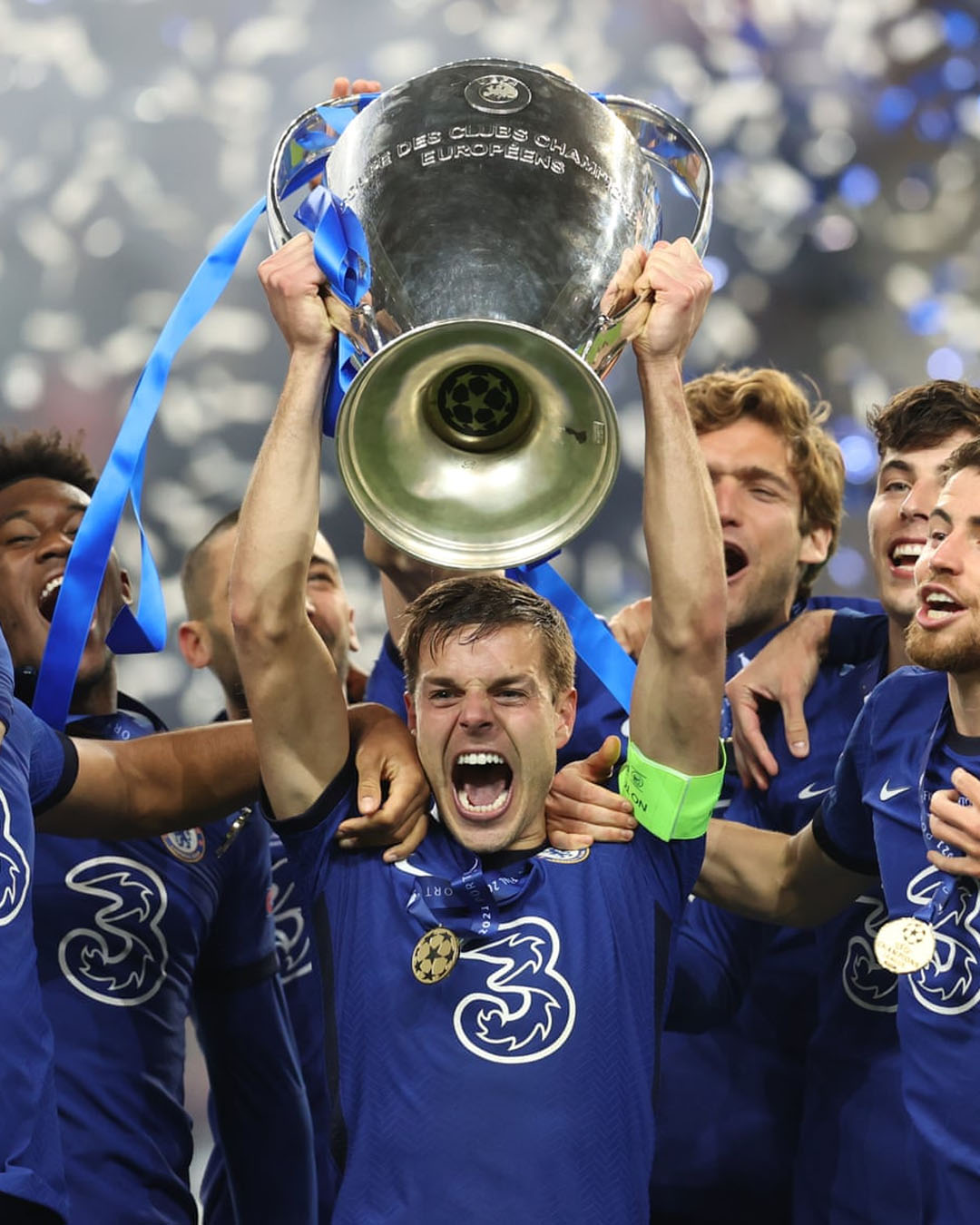
Five years ago, we published an article with a simple title: Football Is Still in Trouble. At the time, the European Super League fiasco dominated the headlines, and we used that moment to reflect on the deeper structural issues plaguing football — not just in Europe, but right here in Jamaica. Half a decade later, we find ourselves asking the same question. And the answer hasn’t changed nearly enough.
The JFF Question
The Jamaica Football Federation has been at the centre of every conversation about what’s wrong with the sport on the island. And for good reason. The governance structure remains opaque, the accountability mechanisms are weak, and the gap between what the federation promises and what it delivers continues to widen.
We’ve heard the talking points. More qualified coaches. Better pathways. Stronger partnerships. And to be fair, there has been some movement — the appointment of a Director of Football was a step in the right direction. But steps aren’t enough when the staircase is crumbling.
The interview above with the JFF’s Director of Football paints a picture of progress — hundreds of newly qualified coaches across the island. That sounds impressive on paper. But the real question isn’t how many coaches have certificates. It’s whether those coaches have fields to train on, equipment to work with, and players who can afford to show up consistently.
The Talent Pipeline Is Leaking
Jamaica doesn’t have a talent problem. We never have. Walk into any school yard in Kingston, Montego Bay, or Spanish Town and you’ll see kids with more natural ability in their left foot than some academy graduates in Europe have in their entire body. The problem has always been what happens after the school yard.
The pathway from schoolboy football to the Jamaica Premier League is riddled with potholes. Coaching inconsistency, inadequate facilities, and the simple economic reality that most young Jamaicans can’t afford to play football professionally when the wages don’t cover basic living expenses. The brightest talents either leave too early — before they’re ready for the demands of professional football abroad — or they leave football entirely, chasing more stable careers.
And then there’s the dual-national question. The Reggae Boyz have increasingly relied on players born and raised abroad — in England, the United States, Canada — to fill the gaps in the squad. That’s not inherently a bad thing. Every Caribbean nation does it. But when your national team’s spine is built on players who grew up in a completely different football culture, you have to ask: what does that say about the system at home?
The Women’s Game: Still an Afterthought
Perhaps the most damning indictment of Jamaican football’s leadership is the treatment of the Reggae Girlz. Here is a programme that has produced a generational talent in Khadija Shaw — arguably the most prolific striker in women’s football worldwide — and has qualified for the FIFA Women’s World Cup. And yet, the support structure remains embarrassingly inadequate.
The men’s programme receives the lion’s share of funding, attention, and institutional support. The women’s programme gets what’s left over, if anything at all. This isn’t just a moral failing. It’s a strategic one. The Reggae Girlz have proven they can compete on the world stage. Investing in them isn’t charity — it’s common sense.
What Needs to Change
We’ve been writing variations of this article for years now, and the solutions haven’t changed because the problems haven’t changed:
Governance reform. The JFF needs genuine accountability — independent audits, transparent budgets, and term limits for officials who have been in their positions for far too long.
Investment in infrastructure. You cannot develop footballers without proper facilities. Full stop. Every parish should have at least one facility that meets basic professional standards — a proper pitch, floodlights, changing rooms. This isn’t luxury. This is baseline.
A living wage for JPL players. If you want the domestic league to be a genuine development pathway rather than a holding pen, players need to be able to survive on what they earn. The current wage structure is an insult to the profession.
Parity for the women’s programme. Equal funding may not be realistic immediately, but a clear roadmap toward it — with measurable benchmarks and public reporting — would be a start.
Youth development that starts earlier and lasts longer. The schoolboy system produces excitement but not necessarily professional-ready players. Structured academy programmes that bridge the gap between school and senior football are essential.
The Bottom Line
Jamaican football has all the raw ingredients — talent, passion, diaspora connections, and a fanbase that is desperate to believe. What it lacks is the institutional framework to turn those ingredients into consistent, sustainable success.
Five years from now, we don’t want to be writing this article again. But unless the people in charge of Jamaican football start treating it like the multi-generational project it is — rather than a series of short-term fixes and photo opportunities — that’s exactly what will happen.
Football on this island deserves better. The players deserve better. The fans deserve better. The question is whether the people with the power to change things actually want to.
We’re watching. And we’re tired of waiting.